
Sponsored content in collaboration with Spillers
For many of us, our horses are far more than partners in sport; they are cherished family members. Deciding when to transition your horse from active work to retirement is a significant step.
By combining science with veterinary support and tailoring management, we can ensure our “super seniors” enjoy a comfortable and fulfilling retirement.
Insights from modern research
A collaborative study with Spillers involving over 2,700 senior horses in the US (Herbst et al., 2023) highlighted some retirement trends:
- Approximately 62% of horses are retired between ages 15 and 24, primarily due to physical health problems.
- Primary physical drivers included chronic lameness, laminitis, and degenerative suspensory ligament desmitis (DSLD, a progressive systemic connective tissue disorder) as the main reasons for retirement.
- Around one in six senior horses were reported to suffer from muscle wastage. Interestingly, retired horses show a higher risk of muscle loss than those in light work, suggesting that appropriate, regular movement is vital for maintaining body condition.
- Mares had higher odds of early retirement (perhaps due to transitioning to broodmare roles), while geldings show a higher risk of low muscle mass.
When is the right time?
Every horse has a unique life story. Rather than relying on chronological age, look out for these key physical and behavioural indicators:
- Health and physical limitations: persistent soundness issues, recurring health challenges or struggle to maintain healthy body condition.
- Loss of enthusiasm: lethargy, a reluctance toward being tacked up, or a general disinterest in activities they once enjoyed.
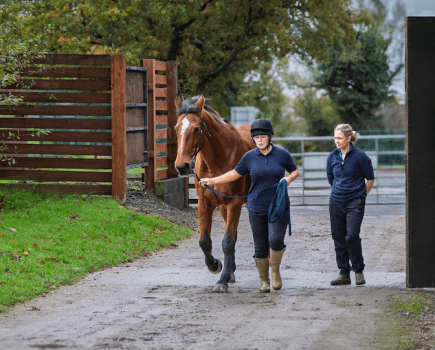
Tip: When possible, a gradual reduction in work, such as transitioning from active competition to hacking rather than an immediate halt of exercise, may help keep joints lubricated, muscles toned and minds enriched.
The right retirement environment
Choosing where your horse will spend their golden years depends on your budget, facilities, and the horse’s specific medical needs.
| Retirement options | Key advantages | Crucial considerations |
| Retirement at home | Familiar environment, consistent routines, and direct control over daily care. | Time-consuming; may require adaptation of facilities/routine and increased daily visits. |
| Specialist livery | Expert geriatric care, well managed herds, appropriate facilities and increased monitoring. | Potential stress during the initial adjustment phase; less daily contact for the owner. |
Managing health challenges
As horses age, their physical and metabolic needs often change, requiring close collaboration with vets and other professionals.
- Metabolic changes: conditions like pituitary pars intermedia dysfunction (PPID or Cushing’s syndrome) and insulin dysregulation (ID) become more common with age, with ID also increasing laminitis risk. Proactive veterinary care and regular farriery are essential.
- Dental care: horses are great at masking dental issues. Regular dental exams before signs like ‘quidding’ (dropping partially chewed food) or weight loss occur can help reduce problems and discomfort. Easy-to-chew forage replacers or mashes can be lifelines.
- Immune, joint and eye health: ageing horses experience immunosenescence (declining immunity) and inflamm-aging (chronic, low-grade inflammation). Consistent turnout in suitable paddocks remains great therapy for stiff, arthritic joints. And don’t forget to keep an eye on their sight — in one recent survey over 80% of older horses had at least one condition affecting the eyes.
Nutrition basics
Even retired horses require a balanced diet. It helps long term wellbeing by supporting immunity, hoof health, vision, muscle mass, respiratory health — all the body systems, in fact.
Grass or forage alone often lack critical nutrients. Ensure their diet includes quality protein sources, zinc, copper, selenium and vitamins A, E, and C.
For good doers, balancers are often the ideal choice. For those needing more calories to maintain healthy body condition look for fortified feeds, appropriate for any health conditions, and ensure you’re feeding correct amounts.
Enrichment
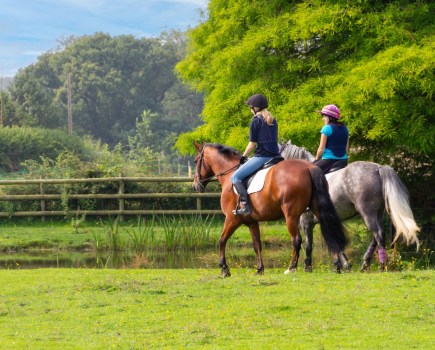
- Keep their minds active and bodies moving.
- Choose compatible herd members.
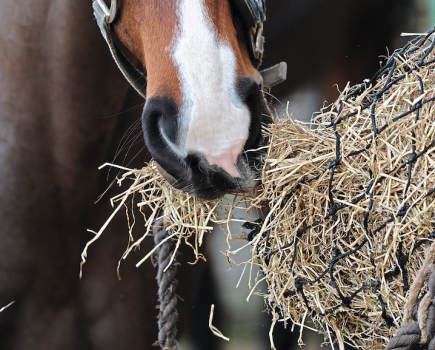
- Utilise interactive feeding systems if restricting forage.
- Maintain a close bond with thorough grooming sessions which enable you to assess their body and behaviour once a day.
Key takeaway
Retiring your horse at the right time is the best way to thank them for a lifetime of devotion. There’s no one-size-fits-all decision, but they’ll thrive with pro-active monitoring, happy herd life, great nutrition and tailored care rather than simply being put out to grass.
If you need any support or advice for your senior, the SPILLERS team are here to help. You can contact the team on 01908 226626 or complete our online form here.
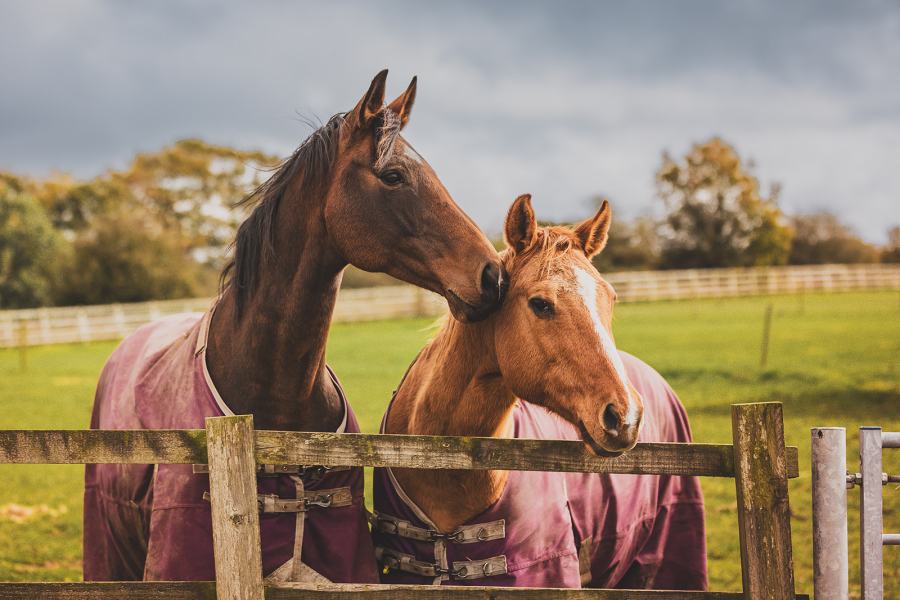
Main image © Spillers
Related content
- What should you feed an older horse that’s still in work? Expert explains *Ad feature*
- Slow the decline of topline in a senior horse with this advice *Ad feature*
- This is why feeding a mash will do wonders for a senior horse’s health *Ad feature*
- Help for senior horses with ageing joints *Ad feature*