
Sponsored content in collaboration with SPILLERS
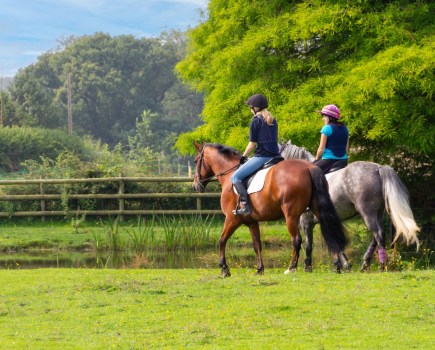
With a third of the equine population possibly now considered ‘senior’ (over 15 years of age), many of these veteran horses are still leading active, competitive lives.
For owners of these working seniors, the key isn’t to stop exercising them, but to adapt management and nutrition to support their changing needs.
Areas to consider more closely include muscle mass, thermoregulation, joint comfort, digestive health, immunity, and dental and metabolic health.
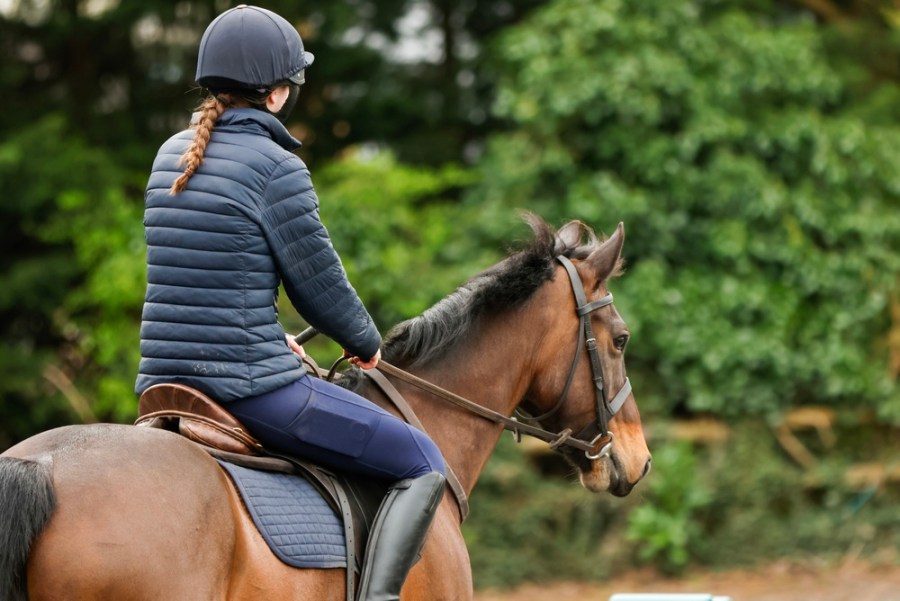
Maintaining muscle and strength muscle loss is more common with ageing — this could be linked to reduced exercise as much as ageing itself. Poor saddle fit, injury, or inadequate nutrition can also be causes too.
Rebuilding muscle is difficult to achieve in seniors, so it’s crucial to maintain topline as long as possible through appropriate exercise and diet.
Why quality protein counts
The quality of the protein (the amino acid profile) in the diet is as important as the quantity.
UK forage can be low in essential amino acids such as lysine, so choosing feeds with a good amino acid profile is important.
Overweight horses could still lack muscle tone if their diet is deficient in quality protein.
If you notice sudden or severe muscle wastage, it’s important to consult a vet to rule out underlying issues.
Managing body temperature
Older horses may struggle with thermoregulation, which is the ability to maintain a stable body temperature, particularly if under or overweight.
Conditions like PPID (Cushing’s syndrome) can cause a thick or unshed coat, increasing the risk of overheating. These horses may require more frequent clipping and careful monitoring.
All horses benefit from consistent access to fresh water and a salt lick to stay hydrated, with extra salt added to the feed for those who sweat more heavily.
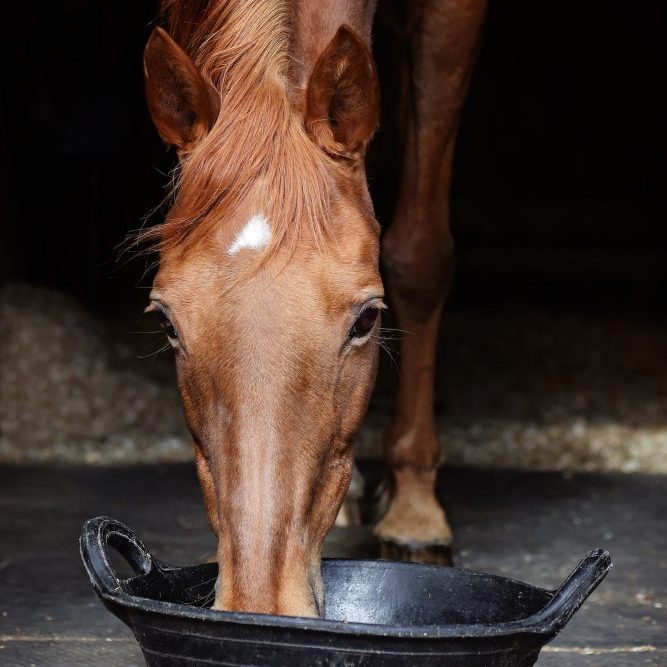
Joint health
Joint stiffness and arthritis become more of a concern with age. Carrying excess weight puts additional strain on joints, so maintaining a healthy body condition is essential.
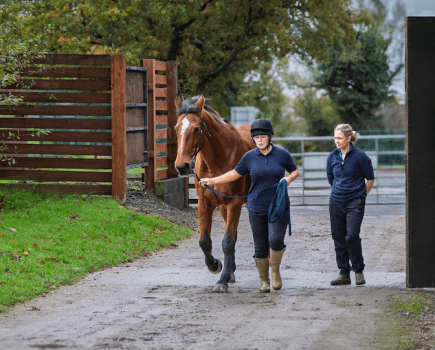
When intense exercise may no longer be suitable, less demanding movement from gentle hacking or in-hand work may be useful for keeping joints mobile and muscles strong.
Many owners find joint supplements containing ingredients like glucosamine, MSM, and boswellia helpful for providing support.
Supporting digestion
A horse’s digestive system relies on a vast population of microbes. Research shows that with age, the diversity of these microbes can decrease, making senior horses more sensitive to dietary changes, the risk of colic or loose droppings. Therefore, any dietary adjustments should be made gradually.
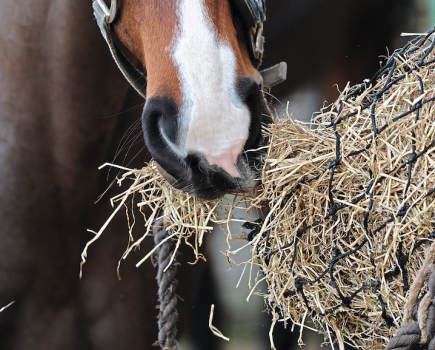
When more calories are needed, opt for feeds high in fibre and oil over high-starch options to support digestive health. Ingredients like prebiotics and probiotics can also help maintain a healthy gut.
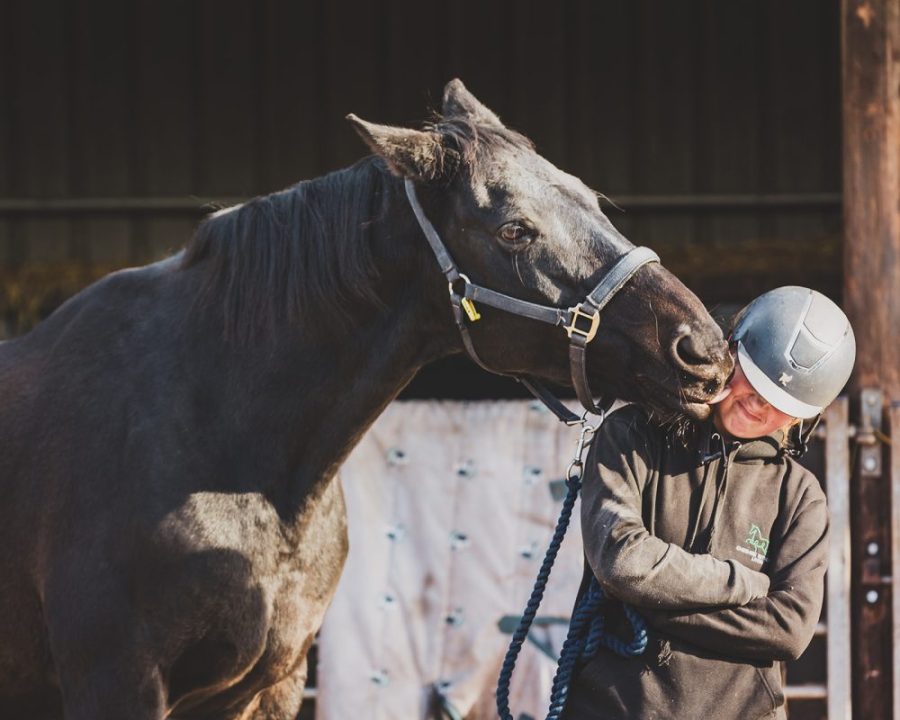
Immunity
Immune function naturally declines with age — this can make seniors more susceptible to infections and slow their healing time.
Providing a balanced diet is essential for any senior, working or not. Vitamin E is crucial for both immune and muscle health and should be included in the diet, especially for those still working. Vitamin C may also be beneficial, particularly for supporting lung health, especially in seniors who are working, stabled more or travel frequently.
Dental considerations
Dental issues also become more common in older horses, which can make chewing forage and fibres particularly difficult.
Regular dental checks may help highlight problems before they become a problem and there may come a point where forage replacers need to be considered.
Bespoke care for your individual horse
Ultimately, our senior horses require individualised care. Closely monitoring their body condition will help you make timely adjustments to their diet and management.
While specialised senior feeds are often a convenient way to provide elevated levels of protein, vitamins, and minerals, the best feed for your horse may not be the one labelled ‘senior’.
Consulting with a veterinarian or equine nutritionist can help you create the perfect plan to ensure your veteran horse continues to thrive and enjoy their work.
If you need any help, the SPILLERS team is on hand. You can call them on 01908 226626 or fill out an enquiry form here.
Images © Shutterstock and SPILLERS
Related content
- Slow the decline of topline in a senior horse with this advice *Sponsored*
- This is why a senior feed balancer will help your ageing horse thrive for longer *Sponsored*
- This is why feeding a mash will do wonders for a senior horse’s health *Promotion*
- When would a senior horse benefit from a feed supplement? *Promotion*
- Help for senior horses with ageing joints *Promotion*