
Sponsored content in collaboration with Dengie
Forage shortages and price hikes were a talking point last year and now, more than 12 months on, the focus has shifted to whether 2025 was a one-off blip or the new normal.
Hay and other forms of forage are the foundation of every horse’s diet, providing the fibre needed to keep the digestive system functioning properly and supporting good gut health all year round.
Whether your horse goes hacking, is a competition partner or retired companion, they should spend the majority of their day eating forage, making a reliable supply essential for every owner.
After last year’s challenging growing season left many horse owners struggling to source enough hay, concerns are mounting over what this year’s harvest will bring.
So, is the forage situation beginning to improve, or should we expect supplies to remain tight and prices to stay high?
What happened in 2025?
Although there have been some very hot and dry summers in recent times, last year really was the perfect storm of weather events.
A very low spring rainfall began in February and continued into March where just 25% of the average long-term rainfall was recorded.
Although the amount of rain that fell in June and July was closer to normal, August was very dry again with less than half the expected rainfall.
No ’tiller’
The dry spring meant the grass didn’t ‘tiller’ — a term used to describe the development of more shoots that are in a vegetative or growing state.
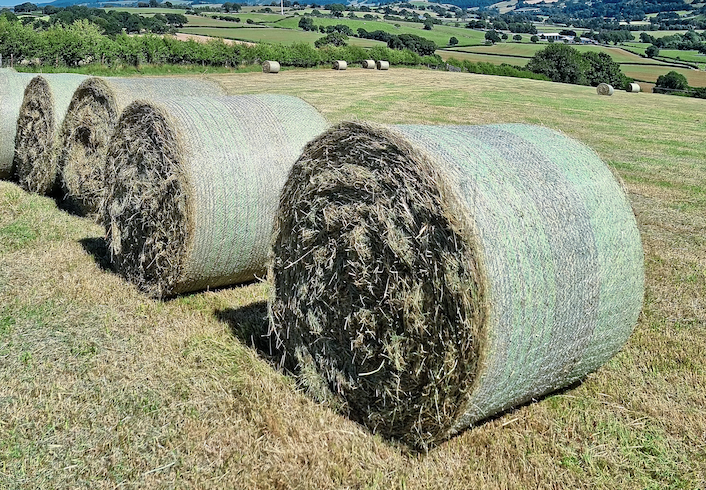
This meant there was no bulk to the hay crop, which was easy to see once the grass was cut as the rows were much smaller.
So, the dry spring resulted in lower yields and then, because the pasture dried off in August, hay had to be fed to livestock earlier, depleting what were already low stocks of forage.
Ask Animalweb carried out a survey in spring 2026 and received 2,136 responses. It found that around 30% of respondents had reported some difficulty sourcing hay and 40% of respondents had used some form of alternative to hay.
What’s been happening in 2026?
Well, the winter was wet and this helped the grass cope with another hot and dry spring as there was some moisture in the soil.
In some areas, first cuts were better than last year but didn’t break any records, and the continued hot and dry weather in June, July and August affected second cuts as the lack of rainfall slowed grass growth.
The cereal harvest began early, and feedback is that the yield of straw is down. Whilst this might not impact many horse owners directly, it does create increased demand for all forage as straw is used for livestock and they will need an alternative.
As there was very little carry over of stock, it is likely to mean there will be pressure on supply, which may continue to elevate prices.
What this means for horse owners
On an individual basis, it is advisable to plan ahead as much as you can. Building relationships with those who supply your forage is key.
This is easier said than done, and there were certainly some worrying reports of people simply being told there was no forage for them last year.
Forage replacers can be used to top-up if you’re a bit short and these are best used consistently at lower levels throughout the year rather than running out of hay and changing over to something completely different at that point.
Producers of forage will adapt and make changes, but this will take time. In the meantime, climate and weather patterns are going to have an impact on forage supply, which is likely to impact pricing for a while yet.
8 things to do if you’re worried about winter forage
- Speak to your supplier
Build a good relationship with your hay merchant or farmer and ask about availability well before you need your winter stock. Regular customers are often easier to plan for. - Check your storage
Always store forage in a dry, well-ventilated building to reduce spoilage. Protecting hay from damp and vermin means less waste and better value for money. - Reduce waste
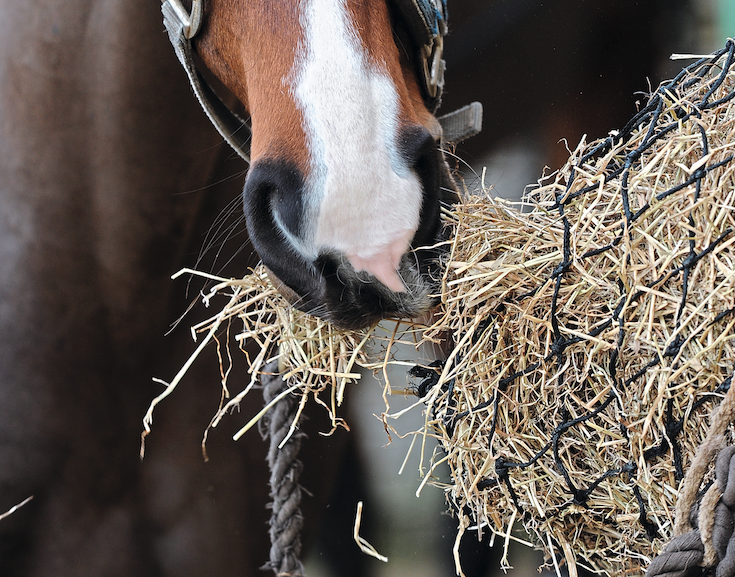
Weigh forage so that you’re not overfeeding. Using haynets, feeders or racks can help minimise the amount of forage that gets trampled into bedding or soiled. Every bale counts when supplies are tight. - Look into buying early
If you have suitable storage, it may be an option to buy winter hay now. Securing your supply earlier could give you more choice and help avoid shortages if demand increases. - Don’t buy more than you need
Even if you do purchase winter forage earlier than usual, don’t buy more than your usual supply, as doing so may contribute to a shortage. - Consider alternative forages
Straw is a useful forage source for good doers and can be a cost-effective top-up if your hay stocks are low. Products such as chopped fibre, soaked grass or alfalfa, and high-fibre cubes can be useful to top up forage supplies if needed. Introduce any changes gradually and don’t wait until you’ve run out of hay to make the switch. For help working out what may work for your own horse, contact a qualified nutritionist. - Review your horse’s diet
If your horse struggles to maintain weight on limited forage, speak to an equine nutritionist for advice on balancing their diet without compromising gut health. - Keep an eye on pasture
Making the most of grazing where possible can help conserve forage stocks, but avoid overgrazing and manage fields carefully to encourage healthy regrowth.
Remember, forage should always form the basis of your horse’s diet and any changes to the type or amount fed should be introduced gradually over several days to help support digestive health.
Images © Your Horse Library & Shutterstock
Related content
- High demand for hay continues as makers report back on challenging conditions
- Hot, dry summer: Expert shares feeding advice for when grazing is poor, including hay alternatives
- The UK hay crisis: how extreme weather is redefining forage, welfare and costs for horse owners
- Crops down 50% in 2025: potential hay shortage raises concerns for horse owners
- Worried about a hay shortage? Alternative sources of forage to consider instead