
They often drink from streams and ponds, but can horses drink rainwater? Water is one of the most essential components in equine welfare. However, according to chartered environmentalist Ruth Dancer, demand on the nation’s finite water supply could make caring for horses increasingly more challenging.
“During the June heatwave, we in Gloucestershire lost our water for two days, with limited pressure only just returning four days in,” says the managing director of White Griffin, a sustainability consultancy.
“Consumption reportedly went up by 9% during the heatwave and the infrastructure couldn’t cope with increased demand, especially following such a dry spring.”
Ruth says this represents ‘the start of the problem’.
“Sadly, we now know that two-degree global warming is highly probable. With increased probability of temperatures in the high 30s and low 40s, water availability will worsen each year.
“What won’t change is how essential water is in equine health. However, when faced with extreme temperatures, we will want to use even more of it for cooling, drinking and feeding, adding further pressure to the supply.”
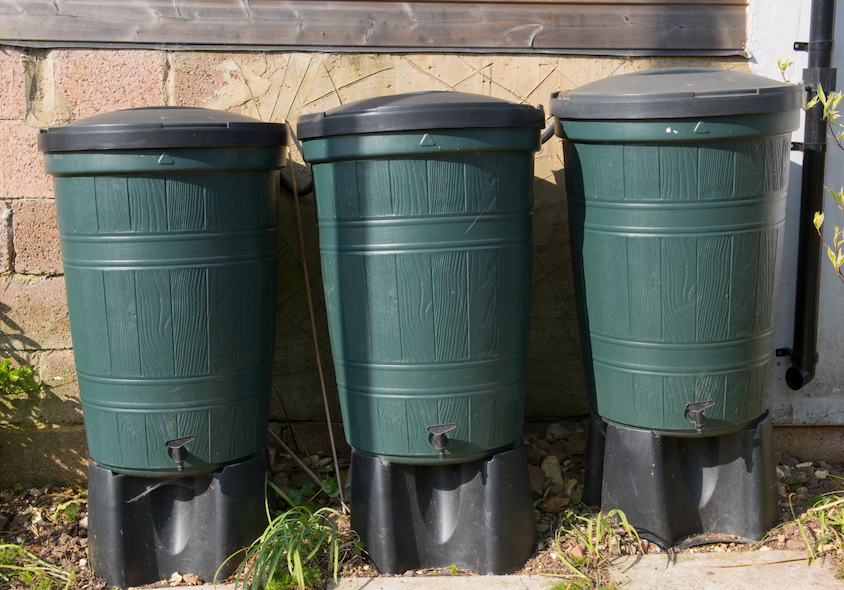
Rainwater harvesting: the solution for equestrians?
As well as urging equestrians to take the time to understand the topic of water stress, Ruth also encourages them to investigate rainwater harvesting as a way to reduce reliance on mains water.
“Rainwater is such an obvious way to solve some of our problems,” she says. “With our stable, barn and shelter roofs, we have the perfect infrastructure to put it in place.
“You can use it for every yard task, from cleaning buckets to soaking hay. Horses can even drink rainwater.”
The good news is that you can harvest rainwater at next to zero cost, invest in a sophisticated system, or something in between. Ideally, though, it would have a lid to keep debris out, and be something that is easy to clean regularly.
“Not only could you repurpose a receptacle you intend to use for watering plants or washing kit, but some local authorities are also even giving water butts away for free. Check out your local council website to see if your catchment is running a water initiative.”
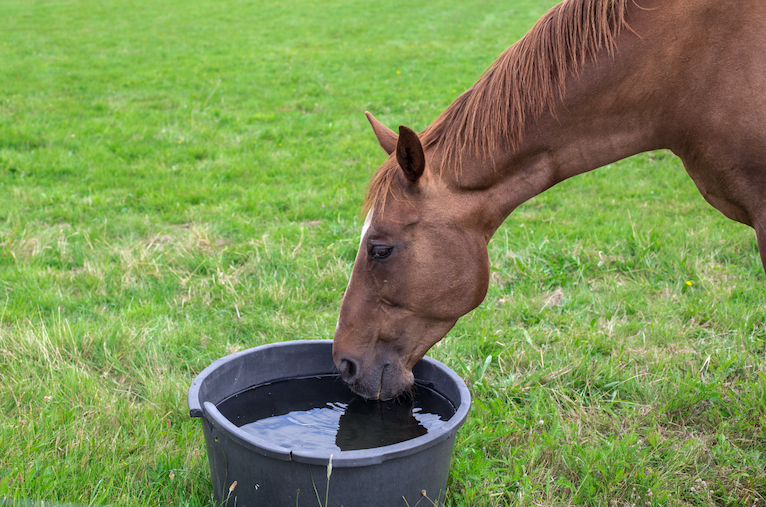
Can horses drink rainwater?
We know we can use rainwater for many yard tasks, but can horses drink rainwater?
“We often think that chemical treatments equal safer and better, but horses frequently prefer natural clean water,” explains Ruth.
“Your horse may even prefer harvested rainwater to the mains water provided.”
If you do intend to use rainwater for your horse to drink, Ruth recommends speaking to a rainwater harvesting company about choosing the right filtration system. Plus, they will advise on the general management you will need to undertake to keep the system clean and working.
“A basic level system that ensures water is clean and free of debris is normally all that is required,” she advises.
“If you have any concerns at all, you can purchase water testing kits or have a professional test the water on occasion.”
Rainwater harvesting: getting your setup right
Now we know horses can drink rainwater, what about the rest of your water use? Ruth shares her tips…
- Firstly, consider the water’s intended use. This will tell you the best location for your system. If you want to use rainwater to wash down your horse but set the system up far form where you want to perform that task, you’re already on the back foot.
- Next, work out the volume you need, and whether your chosen setup location will deliver it. You need to consider the roof slope and the capacity of vessel you will require to fulfil the need.
- Finally, ensure the gutters, pipes and container are easy to access to allow for cleaning and maintenance. Gutters will need regular checking for any damage and also for cleaning, especially in autumn, when leaves blow off trees and get caught.
Conserving water, though major, is just one of the benefits of rainwater harvesting. If your yard is on a meter, you could save money in the long term as less water is used for day-to-day care.
Images © Shutterstock