

Horse owners are being urged to remain vigilant as the Met Office has upgraded the amber extreme heat warning that was in place over the weekend to a red warning for parts of England and Wales.
The amber warning, which was issued on Friday 19 June, covered much of southern England and south-east Wales and highlighted the potential for significant impacts from exceptionally hot weather. However, forecasters have now escalated the alert to the highest level as temperatures are expected to climb further, with some areas forecast to reach as high as the late thirties today and the rest of this week.
A red warning is issued when dangerous weather is expected and there is a high likelihood of impacts, including a risk to life. The Met Office says red warnings indicate that severe disruption is likely, while the UK Health Security Agency warns that even healthy people may be affected by the extreme temperatures.
The warning comes as the heatwave intensifies across southern and central England and much of Wales, with exceptionally high daytime temperatures and warm nights offering little respite.
For horse owners, the upgraded warning serves as a reminder to take every precaution to protect horses from dehydration, heat stress and sunburn.
Ensuring access to fresh water, shade and cooler turnout periods is more important than ever.
Horse owners should continue monitoring local forecasts and remain alert to changing conditions as the heatwave develops.
How to help keep your horse safe in hot weather
Provide constant access to clean water
Check troughs and buckets regularly and top them up as needed. Horses can drink significantly more during hot weather.
Offer shade
Ensure horses can escape direct sunlight, whether that’s in a field shelter, stable or under natural tree cover.
Avoid exercising during the hottest part of the day.
Ride early in the morning or later in the evening when temperatures are lower.
Cool horses down properly
After exercise, hose horses with cool water and continue applying water until their breathing and temperature return to normal.
According to Dr David Marlin, the quickest way to cool a hot horse is to continually pour cold water on them — there is no need to scrape it off.
Watch for signs of heat stress
Excessive sweating, lethargy, rapid breathing, elevated heart rate and reluctance to move can all indicate a horse is struggling with the heat. Contact your vet if you have concerns.
Protect pink skin from sunburn
Use equine-safe sun protection on vulnerable areas such as pink noses and around the eyes.
Reconsider travelling plans
Transporting horses during extreme heat can be challenging. If possible, don’t load up while it’s so hot, unless it’s an emergency, and at the very least avoid travelling during the hottest periods of the day.
RSPCA urges all pet owners to prepare for heatwave
Many horse owners also care for dogs and other pets, which can be particularly vulnerable during periods of extreme heat.
The RSPCA is urging pet owners to take steps now to protect their animals from the incoming heatwave.
Lauren Bennett, dog welfare expert at the RSPCA, said: “It’s really simple — planning ahead and being prepared in this hot weather can help save pets’ lives. Complacency can mean soaring temperatures are a silent killer for our beloved animals.
“No matter your dog’s breed or how much they appear to enjoy basking in the sunshine, all animals are at risk. Taking the time now to identify how you can reduce your dog’s risk, could just save their life.”
The animal welfare charity is encouraging owners to ensure pets have access to fresh drinking water and cool, shaded areas, avoid exercising dogs during the hottest parts of the day, and never leave animals unattended in vehicles, where temperatures can rise rapidly even when it feels relatively mild outside.
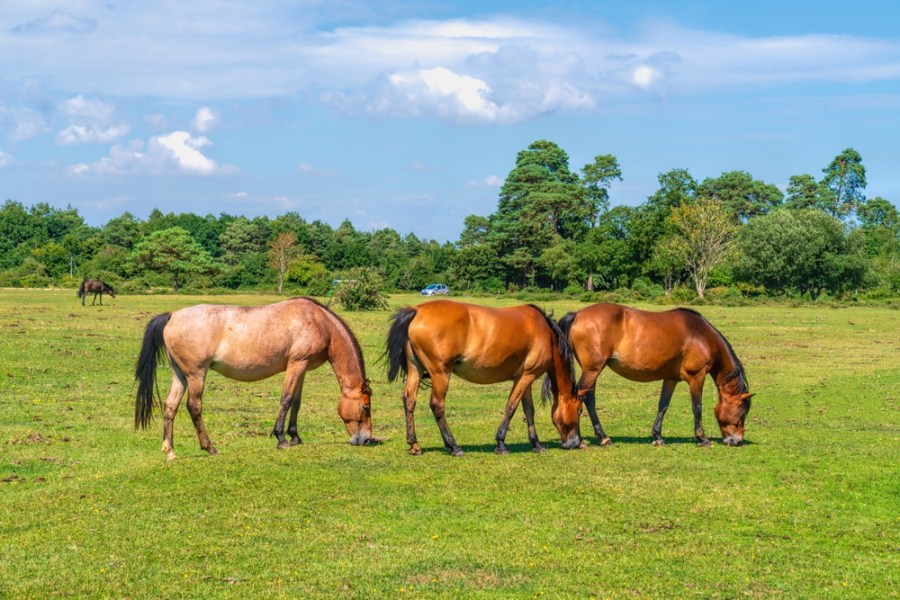
Main image of New Forest Ponies in Hampshire © Shutterstock
Related content
- How to cool a horse down quickly in hot weather — no sweat scraper required!
- Prevent dehydration: effective ways to encourage a horse to drink more water
- Eight common summer health problems and how to prevent them in the coming season
- Best fly sprays for horses as tested by our team of owners and riders