

Advertisement feature
For some senior horses, spring and summer grazing may offer the chance to build them back up again after winter weight loss.
However, many seniors will still be maintaining their weight well through the colder months and it could be just as important to prevent them gaining an excess of weight from spring grass.
Every horse is an individual and so it’s important to look at the horse in front of you today, rather than rely on their age to indicate best tactics to adopt.
Beware spring grass
Spring grass may provide vital calories needed by some to gain body condition, especially if they’ve lost too much condition over the winter.
But if they have PPID (Cushing’s) or are prone to laminitis, sugar laden spring grass might not be the saviour you’re looking for.
Spring grass can provide the same amount of calories (per kg of dry matter) as a performance feed. In fact, some ponies have been found to gain 16% of their bodyweight in just six weeks living out on grass.
This means you may need to act early if you own a horse or pony prone to rapid weight gain. Obesity increases risk of many health issues which could prove more problematic for ageing horses.
Prevention really is better than cure!
Make changes gradually
It’s common at some yards to simply change from winter grazing to summer grazing overnight. While we mostly get away with this, many owners may notice their horses become bloated and/or have loose droppings.
Both could be signs there’s disruption of the sensitive microbiome of the hindgut, which can increase the risk of colic.
Making feed, forage and paddock changes gradually helps reduce the risk of digestive disturbance and allows the body time to adapt to the changes in diet.
Managing a senior good doer
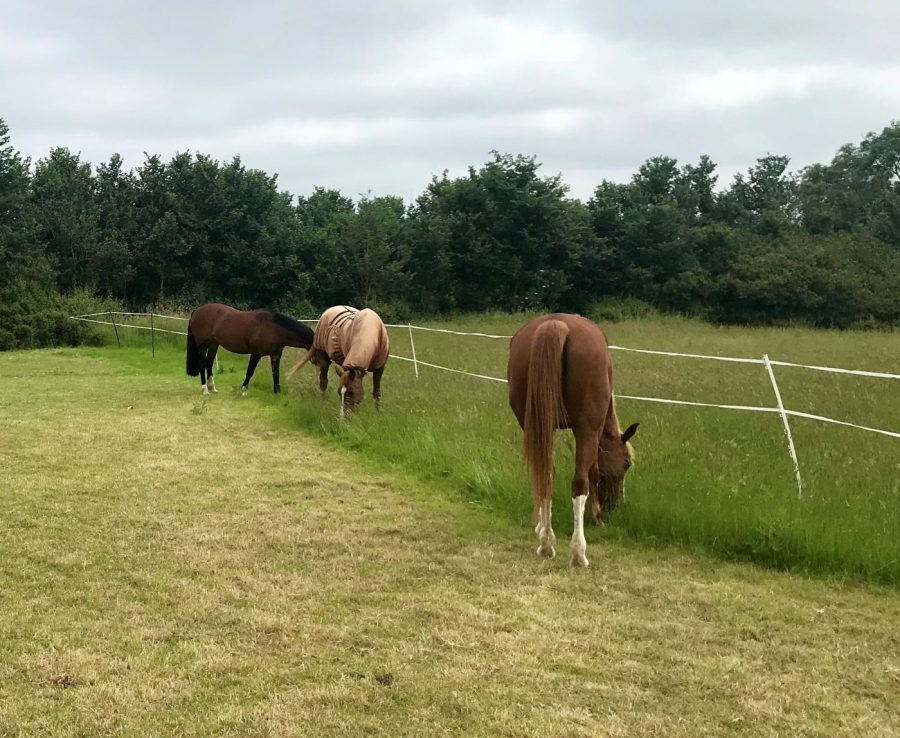
If your horse is a good doer and has been on restricted rations over the winter to support weight loss, you will likely need to continue this – free access to spring grazing will likely undo any progress you’ve made. One thing veterans don’t need is excessive weight on ageing joints.
It’s not an easy task to keep good doers a healthy body weight but essential for their welfare, especially for those with metabolic issues.
While being mindful of possible dental complications or arthritic changes, find ways to trickle feed your horse fibre as steadily as possible.
Try to ensure they have sufficient low-calorie fibre without long periods without any food. You could:
- Use small holed hay nets and/or double net
- Soak hay
- Consider feeding some straw
- Use a grazing muzzle
- Set up strip grazing or a track system
- Use slow feeders
- Make the most of very bare paddocks or wood chip areas
Managing the poor doer
For the owners of poor doers, you may be delighted to see some extra calories emerging from the soil after a winter of increased feed bills.
Some horses are very slow to gain condition and it’s common for owners of slim seniors to still be concerned about poor condition well into May, or sometimes all year.
Don’t rush to reduce their hard feed, monitor their body condition score and reduce hard feed gradually based on individual improvements.
Forage replacers
Seniors with failing dental health may have needed a forage replacer through the winter months. This may or may not need to continue all year round depending on the nature of their dental issue and ability to eat softer or more abundant grass.
Most horses are surprisingly effective at managing to still eat grass against the odds, but work closely with their vet or dental technician and speak to a nutrition specialist if you need any support.
Welfare basics
If you’re still able to ride your senior then make sure you book in a saddle fitting to keep them comfortable, happy and willing to work. This is particularly important to keep on top of when they are more prone to fluctuations in weight and or may not have as much muscle mass as they did in their prime.
Keep a close eye on coat changes. Delayed or slow shedding of their coat may be an early sign of PPID.
You may need to clip them if they’re holding onto too much hair during the warmer weather and sweating or becoming uncomfortable – remember, ageing can affect their ability to regulate their temperature.
Spring and autumn can mean more rug changes are required with cold nights and hot sunny days more sporadic.
Make sure you keep your senior up to date with vaccinations, dental checks and worming strategies, spring and autumn are a great time to check in with experts such as vets, dentists and nutrition specialists to help keep your super senior thriving.
And finally…
Make sure your horse is getting a nutritionally-balanced diet. Seniors need the benefits of essential vitamins, minerals and quality protein to support their immune system, lung health, muscle mass/function and every other bodily function as much as a younger working horse — if not more!
If you need any support or advice regarding feeding your senior horse or pony, the SPILLERS Nutrition Team are on hand. You can call them on 01908 226626 or complete a nutrition enquiry form.
Related content
- Beware of laminitis: expert advice to keep your horse safe this season
- Why the time you ride and feed affects the risk of gastric ulcers
- The UK hay crisis: how extreme weather is redefining forage, welfare and costs for horse owners
- This is what you can do to keep a horse’s digestive system working correctly