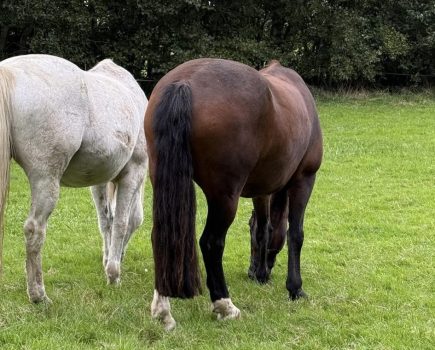

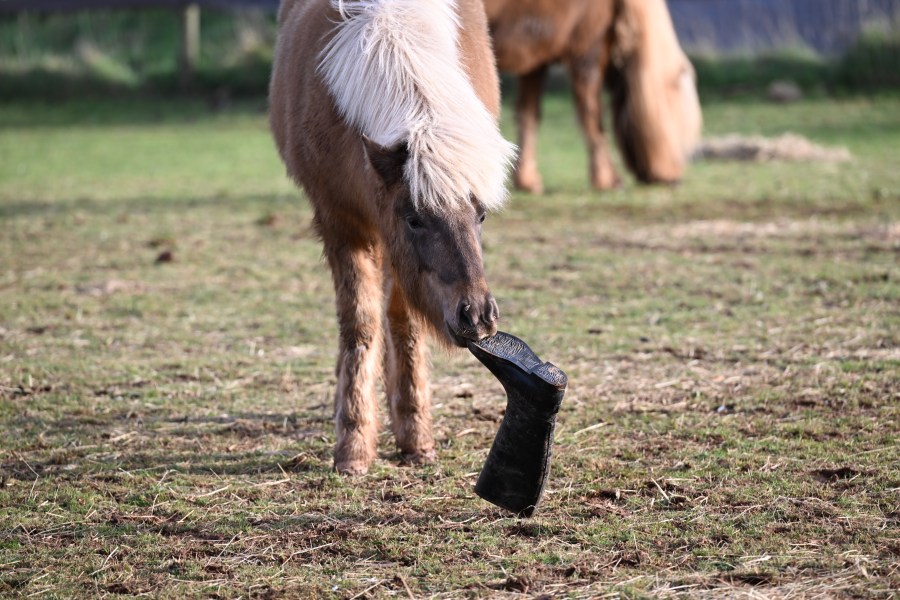
A veteran mare with complex needs, her playful foal and several semi-feral youngsters rescued in a multi-agency operation last year are making steady progress at The Mare and Foal Sanctuary.
The group were part of 70 Icelandic horses which were removed from several sites in Devon as part of a coordinated operation between The Mare and Foal Sanctuary, RSPCA and World Horse Welfare.
Members of the public raised concerns about the horses in May 2024, prompting a multi-agency collaboration to rescue the animals over a 15-month period.
The Mare and Foal Sanctuary and World Horse Welfare discovered there was unmanaged breeding, pregnant horses living alongside fighting colts and stallions, high worm burdens and several horses with life-threatening injuries among the herd.
Gradual process
With help from The Donkey Sanctuary and Redwings Horse Sanctuary, the charities removed the horses gradually over several months in a vet-led process.
Injured horses and those deemed most at risk by the vets were removed first, followed by mares and foals in need of specialist care, then stallions. Healthy mares and foals were taken last. By the end of summer 2025, all horses had been safely moved into the care of the charities.
Latest news
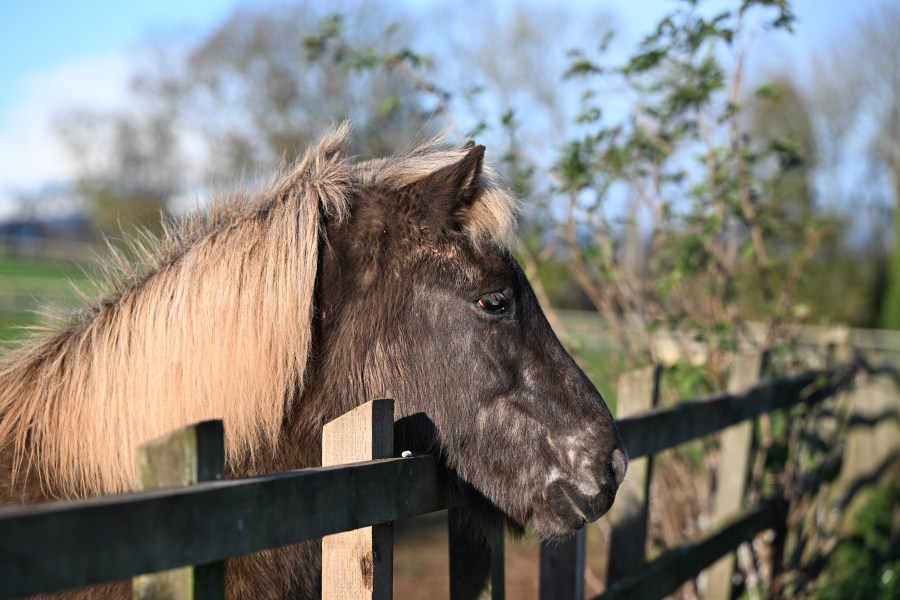
Earlier this month, The Mare and Foal Sanctuary published an update regarding the eight horses and five foals that they welcomed into their care including Granny, a 20-year-old mare who is blind in one eye and lives with the painful joint condition locking stifles, who is at the heart of the charity’s spring appeal.
“Granny is at the heart of our spring appeal because she shows what ongoing care really looks like,” said Jenna Goldby, head of welfare and rehoming at The Mare and Foal Sanctuary.
“The initial welfare operation was just the beginning of a long journey of recovery for the herd. Since then, our team has been caring for them around the clock, making sure Granny and her herd mates are comfortable, safe and learning to trust people.”
Calming presence
“She is an older mare with complex needs, but she’s also a calming presence for the younger horses. Before she came to us, she suffered the trauma of losing a foal, and soon after became pregnant again with Sherlock, who’s now 10 months old.
“Sherlock looks to her for reassurance, and other horses in the herd often follow her lead. When people support our appeal, they’re helping us provide that long-term, patient care that can’t be delivered in a single week or month.”
Sherlock is progressing well with training, including grooming and is learning to pick up his feet. Staff have adapted their approach to suit his personality, rewarding him with scratches rather than treats when he becomes overexcited around food.
Learning the basics
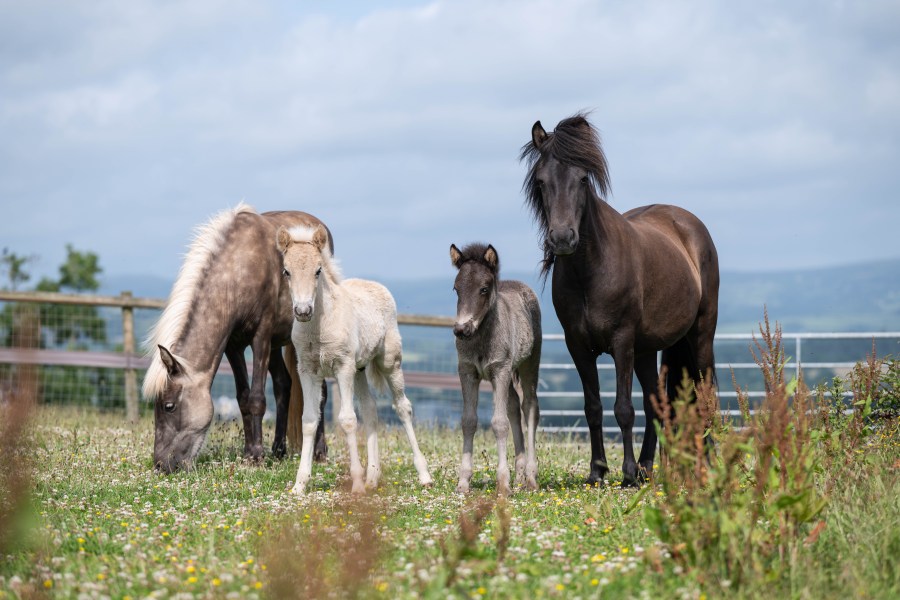
Other members of the Icelandic group are also making steady progress. Hilda and her filly foal Spirit have been building confidence with careful handling. Youngsters Flint and Wurzel, who arrived as very young foals, and Bowie, who was born shortly after the herd arrived, are now enjoying life at the Sanctuary’s sites in Devon and learning the basics of handling and routine care.
“This has been a real team effort. Our Welfare team and Sanctuary Care staff, vets, specialist handlers and volunteers have all played a part in helping these horses adapt from semi-feral life to one where they can be safely handled, receive veterinary treatment and begin basic training,” added Jenna.
“We also continue to work in a supportive way with horse owners who may be struggling. Our aim is always to prevent welfare problems wherever possible by offering no-shame advice and support at an early stage.”

Spring appeal
The Sanctuary’s spring appeal is raising funds to support the ongoing costs of caring for the Icelandic horses and other vulnerable equines across its four sanctuary sites in Devon. These costs include feed, bedding, veterinary treatment, farriery and specialist staff time.
“We’re so grateful to everyone who has supported The Mare and Foal Sanctuary so far, including those who responded to last year’s coverage of the Icelandic horses,” said Dawn Vincent, the Sanctuary’s director of fundraising and communications.
“Their generosity has already made a real difference to Granny and her herd. In reality, the work doesn’t stop when horses arrive with us. Many will need months or years of care, training and veterinary support. Regular donations mean we can plan ahead and step in when horses and ponies urgently need our help.
“This spring we’re asking people, if they can, to support Granny and the Icelandic herd by donating, fundraising or simply sharing their story. Every action helps us continue our essential equine welfare work in the South West and we really do appreciate it.”
To donate to the charity’s spring appeal, click here.
Images © The Mare and Foal Sanctuary.