
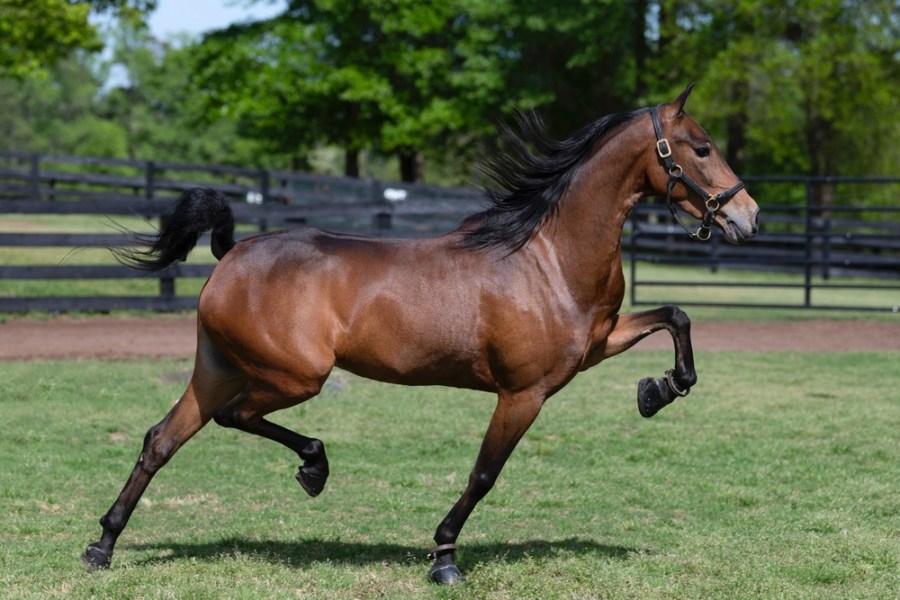
The Hackney Horse and Pony breed has sustained a further decline in numbers and has been listed as “critical” in the latest Rare Breed Society (RBST) Watchlist, which was published on Tuesday (21 April).
The RBST Watchlist is the charity’s annual situation report for the UK’s native livestock and equine breeds. Six of the UK’s native equine breeds – including Hackney – are currently placed in the Watchlist’s most urgent ‘Priority’ category, with a further seven in the ‘At Risk’ category.
“The Hackney Horse and Pony has been operating at low numbers for some years, and further sharp declines in 2025 have put the breed in a critical situation,” said Christopher Price, chief executive at Rare Breeds Survival Trust.
“This characteristically tough and hardy breed has so much to offer – as well as its fantastic history, the Hackneys’ agility and flair make them great horses for showing, jumping and dressage as well as under harness.
“Halting this decline is an urgent priority for RBST and we will be working with RBST members and the breed society to intensify our conservation programmes for the breed.”
Numbers falling
In 2025, the Hackney Horse & Pony’s ‘Effective Population Size’ – a measure of genetic diversity which does not equate to the total breed population – fell to 27 from 52 the previous year. This places the breed well below the United Nations Food and Agriculture Organisation’s level of concern (Effective Population Size of 50).
The number of Hackney dams producing registered progeny declined by 41% in 2025 while the number of breeders fell by 37.5% in the same year.
“Whether in the show ring or as a spirited companion, the Hackney remains a breed of unparalleled quality,” said Fred Vase, Hackney Horse Society council member.
“We are proud to be working in close collaboration with the Rare Breeds Survival Trust to secure this future. By combining the Society’s deep-rooted expertise with the RBST’s conservation work, we are taking proactive steps to turn the tide on declining numbers.
“Our joint efforts are focused on ensuring that the ‘celebrated Hackney’ is not just a memory of the past, but a thriving, vital part of the UK’s equine community for years to come.”
As well as fears for the Hackney Horse and Pony, there are also concerns for the Cleveland Bay which remains in the Watchlist’s Priority category after the number of breeders registering progeny in 2025 and the number of dams producing registered progeny were the lowest recorded since data collection began in 2002.
Positive news
However, there was positive news for the remaining four breeds in the Priority category:
- The Suffolk Horse’s Effective Population Size increased in 2025 for the third consecutive year, and the number of dams producing a registered foal the highest since 2010.
- The Dales pony also performed well, with positive Effective Population Size growth and total registrations up 9.8%.
- The Eriskay pony continues to operate at very low numbers but has remained stable.
- The Exmoor pony saw a positive increase in new breeders registering.
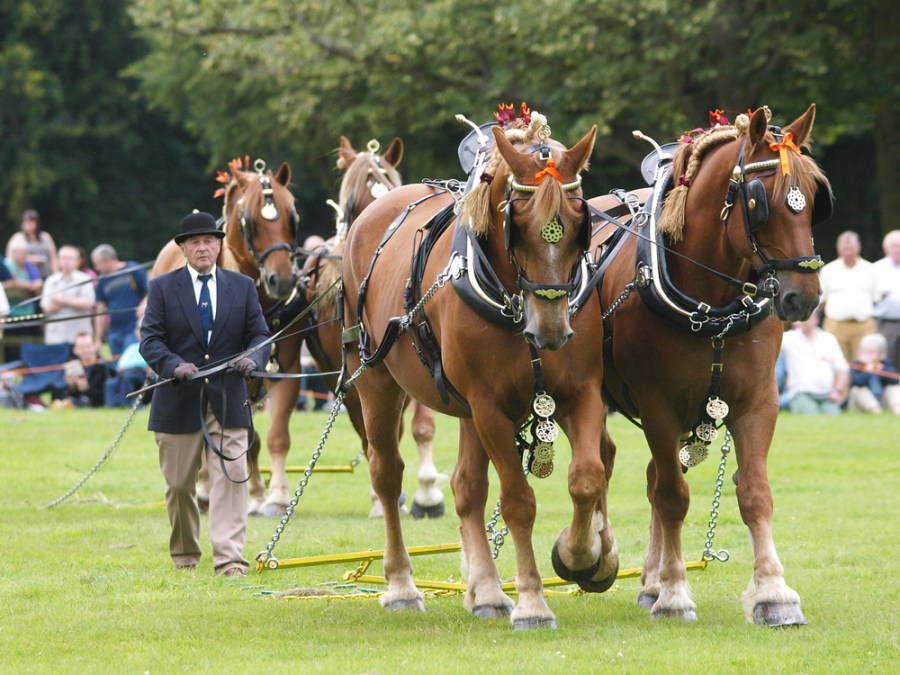
The breeds in the At Risk category are Clydesdale, Dartmoor, Fell, Highland, New Forest, Shire and Welsh section B.
“Thirteen of the UK’s native equine breeds are currently categorised as a rare breed on the Watchlist,” continued Christopher.
“These breeds are an irreplaceable part of our cultural heritage, and they also have important modern roles to play in riding and recreation, conservation grazing for nature restoration, and genetic diversity.
“Owners of native breed horses and ponies around the UK can work with RBST and breed societies to register their animals, to showcase their versatility, and to take part in crucial breeding programmes.
“Please do contact RBST to find out more about how you can support a strong future for our rare native equines.”
For more information and to view the Watchlist, click here.
Main image © Shutterstock.