


Brazil has banned the slaughter of donkeys across the state of Bahia, a landmark decision that will force the closure of the country’s last major slaughter operation and help bring an end to the skin trade in the country.
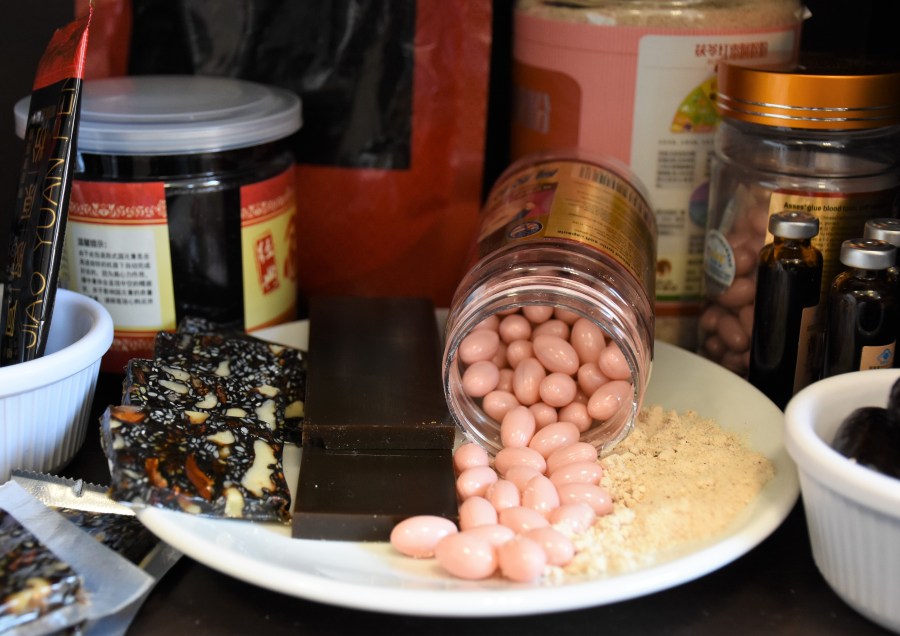
The ruling comes amid the rapid depletion of the country’s donkey population. Numbers have fallen by 94% between 1996 and 2024, driven by a variety of causes including the demand for skins exported to China for use in ejiao, a traditional Chinese medicine made from donkey collagen.
In the Federal Court’s decision, issued on 13 April, Judge Arali Maciel Duarte recognised evidence of animal cruelty, serious biosecurity failings and a concrete risk of species loss. The ruling also mandates the removal of animals from slaughterhouses, farms and transport operations linked to these operations.
The move follows a public civil action brought by a coalition of organisations, including The Donkey Sanctuary, União Defensora dos Animais, Rede de Mobilização pela Causa Animal (REMCA), Fórum Nacional de Proteção e Defesa Animal and SOS Animais de Rua.
“This is a moment to be proud,” said Dr Patricia Tatemoto, The Donkey Sanctuary’s nominated Skins Campaign Coordinator, based in Brazil. “The Federal Court has made a landmark decision to protect the nation’s donkeys, animals who have great cultural significance for the people of Brazil.
“Scientists have long warned this exploitative trade threatens to drive our donkeys to extinction, and it is profoundly encouraging to see lawmakers stand alongside them in condemning such cruelty.
“Brazil’s scientific community has already shown international leadership by developing sustainable, cruelty‑free alternatives to ejiao. If this progress is matched by a national ban from Congress, we can be confident that in Brazil at least, we will see an end to this cruel and unnecessary trade.”
Eduardo Santurtun, The Donkey Santuary’s Regional Director for Latin America and the Caribbean, said Brazil’s leadership in standing against the donkey skin trade sent a powerful signal across the region.
“We hope other countries across the Americas will follow its example,” he said. “Together with the African Union’s moratorium, this decision represents a significant step towards protecting donkeys across the Global South and the countless communities who rely on them.”
Scientists at the Federal University of Paraná (UFPR) are currently developing a world-first method to produce donkey collagen using cellular agriculture – a way of manufacturing animal products which traditionally require harvesting from animals.
The Donkey Sanctuary is continuing to work with partners in Brazil and internationally to support legal protections for donkeys and a move toward sustainable, cruelty‑free alternatives for collagen production.
Images by The Donkey Sanctuary