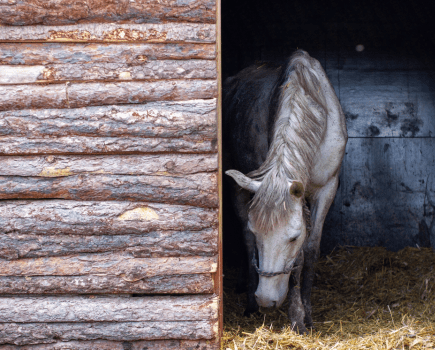


Today (8 May) marks World Donkey Day, and international animal welfare charity, The Donkey Sanctuary, is “encouraging people to take a break from the everyday” and enjoy a few uplifting facts about “one of the most-loved but misunderstood animals”.
The Donkey Sanctuary was founded by the late Dr Elisabeth Svendsen MBE. in 1969.
It works to support projects to alleviate the suffering of donkeys in 35 countries worldwide, including sanctuaries across Europe, where more than 18,800 donkeys and mules have been cared for, and major projects in Egypt, Ethiopia, India, Kenya and Mexico, where donkey welfare is improved through community education and veterinary work.
The Donkey Sanctuary also provides donkey-assisted interaction sessions for vulnerable children and adults and carry out visits to care homes in the local community from its centres in Honiton in Devon, Buxton in Derbyshire, Beaminster in Dorset, Harcombe in Devon, Sidmouth in Devon and Tedburn St Mary in Devon.
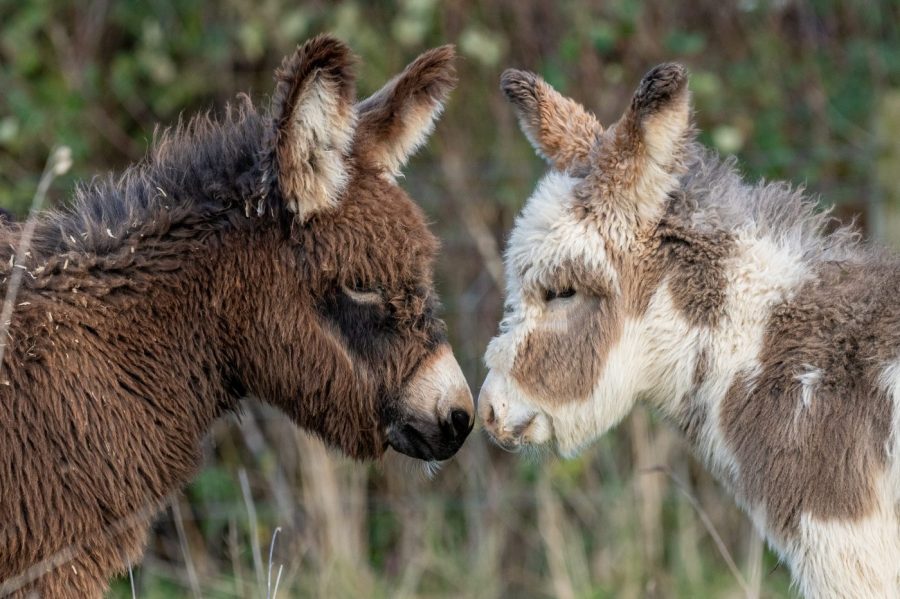
Here, we take a look at some fun facts about donkeys that you might not know about…
- Born fluffy: Donkey foals arrive with the same number of hairs they’ll have as adults, which is why they are so incredibly fluffy from day one.
- Natural calmers: Donkeys are very sensitive and can pick up on a person’s emotional state. They can even synchronise their heart rhythms with ours, and their calming mood can help reduce a person’s anxiety.
- Sleep anywhere: Donkeys can snooze standing up, but will take to the floor for a deep sleep.
- A lifelong bond: Donkeys usually form very strong bonds with their companions and can partner for life. They can become ill if separated, meaning it is important to make sure they always have their friends around them.
- They don’t forget a friendly face: Donkeys bond deeply with humans too, often showing loyalty and companionship similar to that of dogs. They can even recognise humans they haven’t seen for many years.
- Hear this: Donkeys’ large ears are a throwback to their desert origins as they help control their body temperature, as well as providing a heightened sense of hearing.
© Donkey Sanctuary/Shutterstock