
New findings on laminitis risk and grazing management were among the research studies presented by Spillers scientists and collaborators at the 13th European Workshop on Equine Nutrition (EWEN) in Lisbon, Portugal.
The researchers delivered eight presentations covering 11 studies, with seven of these offering new insights into two of the equine veterinary sector’s most important areas of research: reducing the risk of laminitis and advancing understanding of the equine digestive system and microbiome.
The studies presented at EWEN provided valuable new information to help owners and veterinary professionals better manage horses at risk of laminitis.
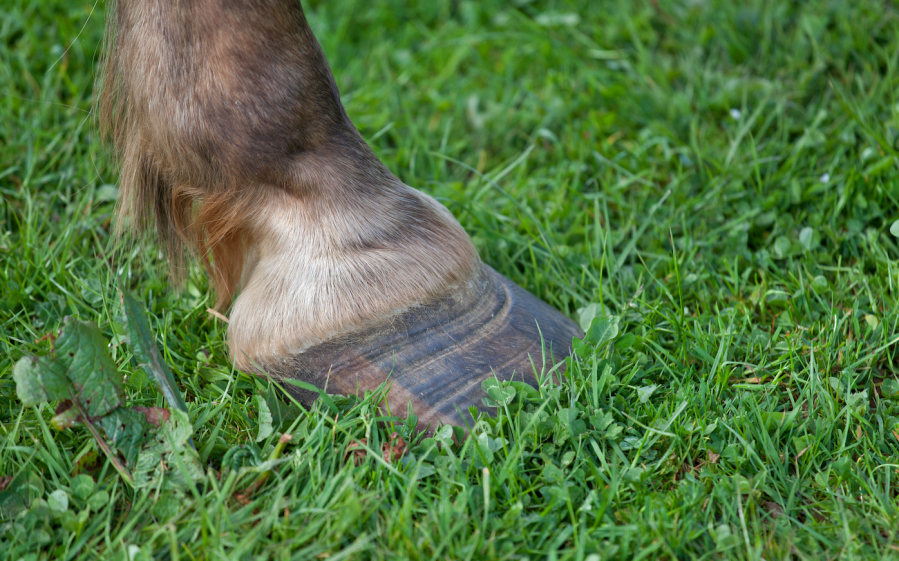
Laminitis remains one of the most significant health challenges facing horses and ponies. Most cases are related to high levels of insulin in the blood. In many of these situations, laminitis is triggered by the horse or pony consuming enough non-structural carbohydrate (NSC) or ‘starch and sugar’ to raise insulin levels.
The key findings of the study, Links between NSC in grass and laminitis, were:
- Spring grass was shown to contain consistently high levels of NSC throughout the day and overnight, resulting in high insulin levels in horses with Insulin Dysregulation (ID) and some non ID horses.
- In late summer, NSC levels in grass peaked at 7pm and were lowest early in the morning, with insulin responses in ID horses closely mirroring these changes.
- Moving from grass to a grass-free dry lot and feeding low NSC hay significantly reduced insulin levels after 24-hours in five of the six ID horses studied.
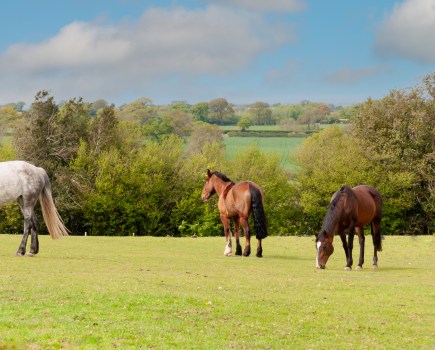
- Grazing muzzles may help to reduce insulin response in some horses, although their effectiveness varies between individuals and may be influenced by grass NSC levels.
“In terms of practical advice for horse owners the studies show that we mustn’t assume that early morning turnout is always safe during periods when grass NSC levels remain high,” said Edd Knowles, Science Director at Mars Horsecare, home of the Spillers Brand.
“Even metabolically healthy horses can produce high amounts of insulin when grazing high-NSC pasture, while insulin-dysregulated horses may still require restricted grazing even when grass sugar levels are relatively low.
“Complete removal from pasture may be necessary for horses at greatest risk especially during high-risk periods such as spring and autumn, while veterinary guidance and individual testing remain essential, as horses can respond very differently to the same forage.”
Unravelling the Mysteries of the Microbiome
Presented studies also explored the complexity and variability of the horse’s digestive system.
The most notable findings were:
- The faecal microbiome can change in a short space of time (samples taken 24-hours apart), even when there are no changes to diet or management.
- In certain situations, different microbial populations may perform similar digestive functions, at least in vitro.
Researchers showcased advances in in vitro laboratory models that simulate equine digestion, developed through a long-term collaboration between the Royal Agricultural University, the University of Glasgow and Spillers.
“These increasingly sophisticated models allow scientists to evaluate how different feeds and ingredients are digested in both the foregut and hindgut while reducing reliance on in vivo studies,” said Mr Knowles.
“The technology is expected to play an increasingly important role as the industry explores novel feed ingredients in response to climate change and seeks a deeper understanding of how nutrition influences the microbiome.”
Held every two years, EWEN brings together leading equine nutrition scientists, veterinarians, technical specialists and industry professionals from across Europe and beyond to share the latest scientific advances shaping equine health and nutrition.
Image by Shutterstock