
New research has applied artificial intelligence (AI) to improve fracture detection in animals to support horse welfare and help prevent fatal injuries.
The research from the Royal Veterinary College (RVC) has identified opportunities to strengthen diagnostic accuracy and efficiency in veterinary practice and support animal wellbeing.
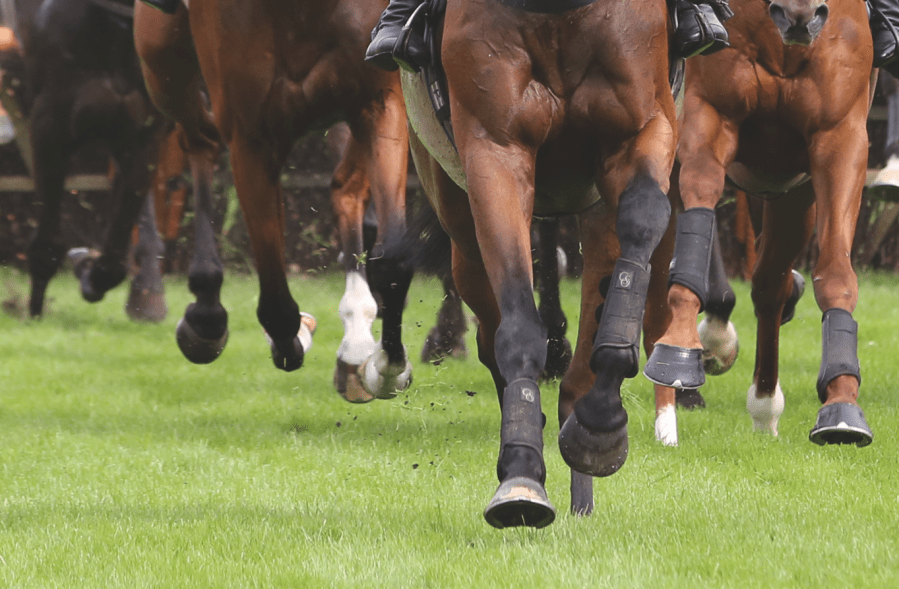
Fractures are a leading cause of injury in racehorses, with approximately 10% of racehorses sustaining a fracture during training, with bone injuries occurring at a rate of 1.3 per 1,000 starts in flat racing.
Assessment relies largely on radiographs, yet variations in image quality, combined with the difficulty of identifying subtle bone changes, can limit diagnostic accuracy.
Improving early and reliable fracture detection is therefore critical to support horse welfare and prevent fatal injuries, the RVC team explained.
Their study marks the first step in a longer-term research programme focused on identifying early bone changes before they progress to serious or career-ending fractures.
The team compiled a databank of images, including 100 equine fracture cases from two UK equine hospitals and published literature; 70 feline cases from hospital databases; and approximately 4000 human fracture images from a public database.
Using this combination of images, the researchers built an AI system that works in three stages. First, it identifies the type of scan, such as an X-ray, CT or MRI, then it recognises the image angle, before detecting and precisely locating any fractures.
The study revealed that the AI system was able to detect and localise fractures in horses using knowledge gained from thousands of human fracture images.
The system achieved fracture localisation accuracy of between 71 and 84% without requiring a large number of equine images.
“The findings demonstrate the potential for AI-assisted tools to strengthen fracture diagnosis across veterinary practice,” an RVC spokesman said.
“Faster and more reliable detection could help reduce uncertainty in clinical decision-making and enable earlier treatment, with clear benefits for the welfare and recovery of racehorses and companion animals.
“More broadly, the study shows how advances in AI developed for human medicine can be successfully adapted for animal health and help to deliver safer and more consistent care across species.”
Building on this work, the team has expanded its collaboration with the Hong Kong Jockey Club to explore whether AI can identify early bone changes in racehorses before a fracture occurs.
If successful, this approach could support efforts to prevent catastrophic injuries, marking an important step toward using AI to not only diagnose, but to help prevent fractures before they happen.
Led by Ruby Chang, Associate Professor of Statistics at the RVC, the study was carried out by Dr Hanya Ahmed, and has been shortlisted for the STEM for Britain 2026 award.
It has ben published in Bioengineering and was funded by the Horserace Betting Levy Board.
Image credit: Shutterstock