
Top equine and large animal rescue experts from the RSPCA have shared advice on how to keep horses safe in a crisis.
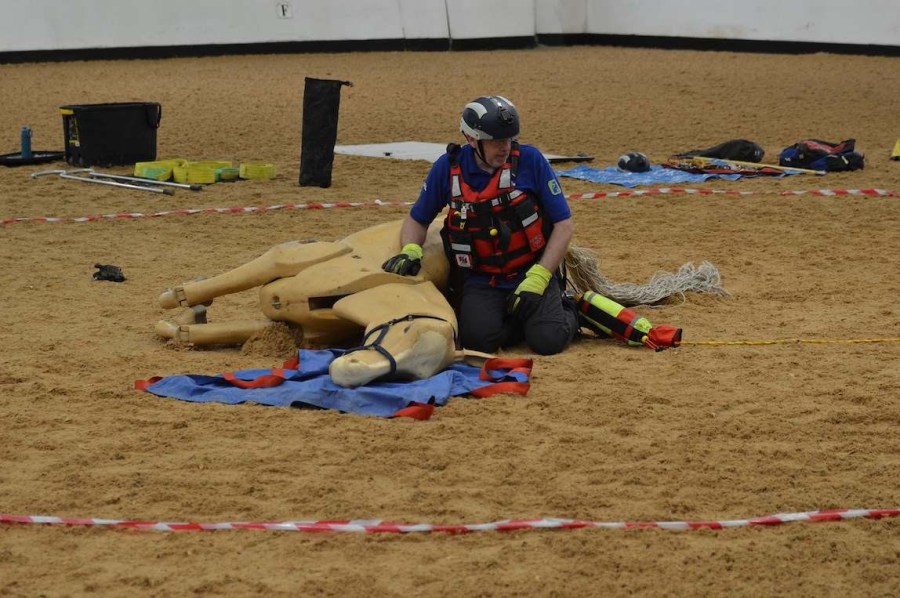
The team spoke at this year’s Understand Horses Live event (27-28 June) at Reaseheath College in Cheshire, sharing their insight through lectures and a live, practical demonstration
Among the international panel of specialists were three of the RSPCA’s leading equine and large animal rescue experts: Water and Large Animal Rescue Lead Jason Finch, Learning and Development Advisor Mark Buggie, and Head Vet for Equines Roxane Kirton.
The five key takeaways from the experts were as follows:
1. Horse owners can support rescue efforts
While emergency services have proven techniques to navigate complex situations, they highlighted the action owners could take to assist, whilst keeping themselves safe. Learning these principles helps owners better understand the risks involved in emergency scenarios and how to prepare for them before a crisis strikes.
2. Learn how to ‘size up’ the scene
One of the most valuable skills for a horse owner is the ability to look at an emergency situation objectively. The RSPCA team demonstrated how rescuers ‘size up’ a scene – evaluating the environments and the situation to determine the course of action. This methodical approach is the first step in keeping both humans and horses safe.
3. Success depends on the team
The RSPCA team emphasised that crises require collaboration between vets, rescuers, and other animal experts. Seeing how these professionals coordinate during a live demonstration showed the importance of clear communication and teamwork when working under pressure.
4. Preparation is your best defence
The experts advised that all owners should have a documented plan that included pre-set access points for emergency vehicles, readily available contact information, knowing your W3W (what3words) location, and clear location details on gates. Preventing emergencies is best – keep paddocks clear of hazards, fence off ditches, ponds and rivers and keep in mind that the seasons bring their own risk.
5. Equine behaviour
Roxane Kirton discussed how rescue tactics must include behaviour-based welfare to help de-stress horses during and after trauma. This view extended into Roxane’s lecture on behavioural medications and supplements – reminding us that many behaviour problems can stem from complex medical or emotional causes that can’t always be resolved through training alone.
After the event, Jason said they received positive feedback from the owners and professionals who were present.
“[They told us] they would be creating their own plans in case of emergency, creating access points, storing contact information, location information and posting it on gates,” he said.
“Our aim is to educate people as effectively as we can to start a movement that focuses on equine safety, hopefully preventing emergency situations and protecting horses.”