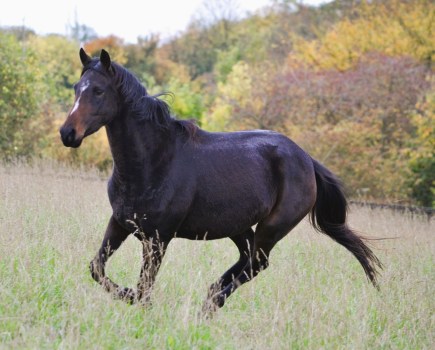


There is renewed hope for Kenya’s donkeys with the launch of a five-year strategy to protect them from the devastating skin trade.
The Donkey Sanctuary’s plan strives to advance donkey welfare, combat the skin trade and strengthen communities across the country.
It has been developed in collaboration with veterinary experts, policymakers, community leaders and donkey owners.
“The Donkey Sanctuary has a proud history in Kenya, spanning 35 years, and with this new strategy, [the charity] is renewing its commitment to improve welfare through partnership, advocacy and education and to drive the change required to transform the lives of donkeys and the communities who rely on them,” said Solomon Onyango, Country Director of The Donkey Sanctuary Kenya.
The biggest threat facing donkeys in Kenya, and across Africa, is the trade of their skins, responsible for the slaughter of at least 5.9 million donkeys every year in the production of the traditional Chinese medicine, ejiao.
Escalating demand for ejiao has decimated China’s own donkey population, which means donkeys are increasingly being stolen or traded from Africa to satisfy demand.
From a population of approximately 1.8 million in 2019 there are now an estimated 1.2 million donkey left in Kenya, according to the Kenya Bureau of National Statistics (KNBS).
Last year, the African Union Heads of State agreed to a continent-wide suspension on the slaughter of donkeys for their skin, but the Donkey Sanctuary says more action from governments, policymakers, and law enforcement agencies is needed to ensure robust measures are implemented to stop the trade.
The new strategy was launched on 3 December at an event in Nairobi which attracted 50 stakeholders from a variety of sectors, including veterinary experts and government officials.
“We recognise the urgency of the threat posed by the illegal skin trade threat, as well as Kenya’s opportunity to show leadership in the drive to protect one of Africa’s most precious resources and to end the suffering of these loyal and sentient animals,” Mr Onyango added.
Lead image of Lamu donkeys by The Donkey Sanctuary