
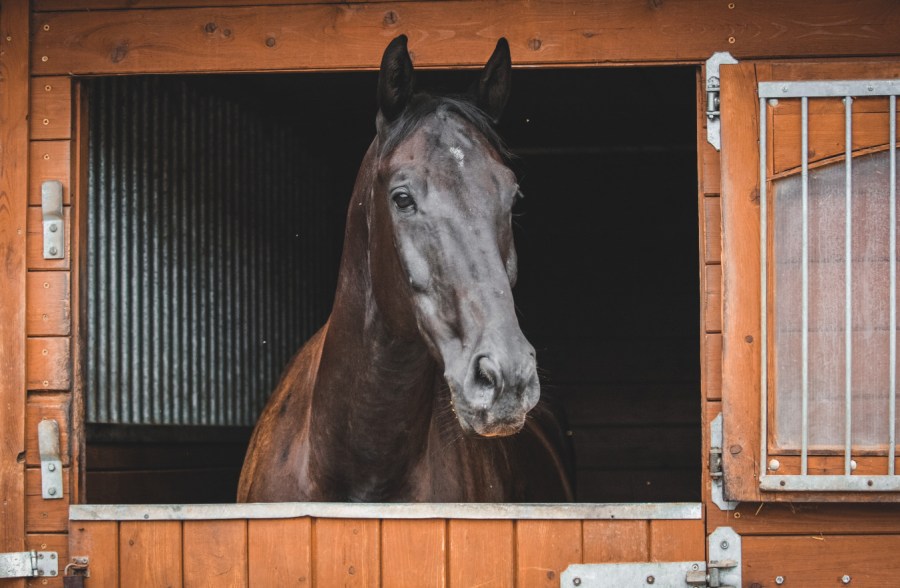
A new Coping with Confinement Toolkit has been launched to help equine veterinary professionals manage the behavioural and welfare challenges associated with periods of confinement, including box rest.
The online toolkit, launched by the British Equine Veterinary Association (BEVA) at the BEVA Congress, provides practical, evidence-based guidance to help vets and nurses support horses’ behavioural wellbeing alongside their physical recovery.
Confinement, such as box rest or restricted grazing, may be essential for successful management, treatment or rehabilitation, but can be challenging for horses and owners alike in in its effect on behaviour, stress levels and overall welfare.
The toolkit provides a structured approach to identifying and addressing these challenges.
“As our understanding of equine behavioural needs evolves, there is an opportunity to improve how we manage confinement to reduce stress, support recovery and ultimately improve patient welfare,” said BEVA President Imogen Burrows, who led the development of the toolkit.
“Our Coping with Confinement Toolkit provides the practical information and guidance veterinary professionals need to make these potentially physically and mentally challenging situations more manageable and bearable for both horses and the people caring for them.”
The creation of the toolkit was supported by BEVA Council members Jenny Hindmarsh, Helen Bickerton and Marie Rippingale, and benefited from expert veterinary imput from Gemma Pearson, Cath Spedding and Ellis Girgis.
The resource guides users through the process of creating a bespoke confinement plan for each individual horse, to best accommodate their clinical needs, behavioural requirements and the practical circumstances of their care.
The Coping with Confinement Toolkit is available online via the BEVA website.
Lead image © Shutterstock