
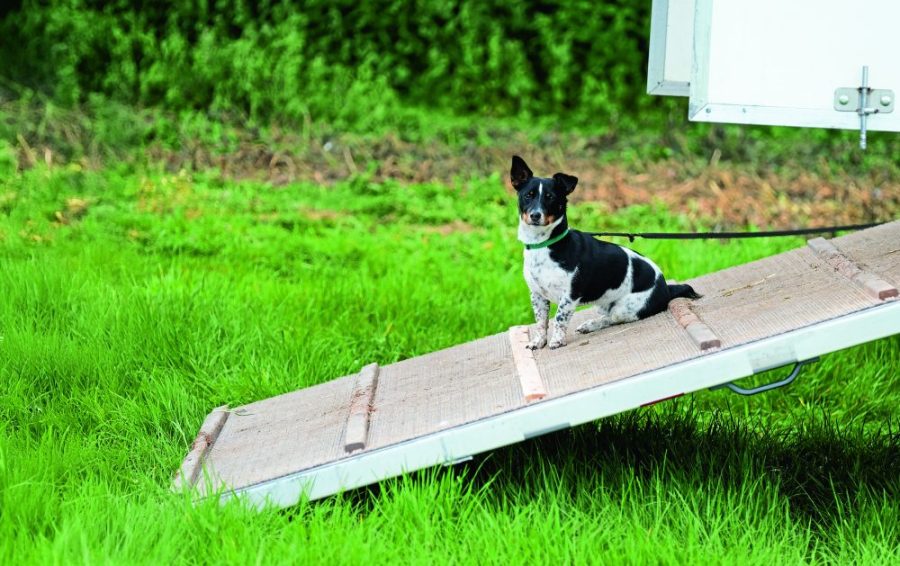
Numerous horseboxes seem to come with the same unspoken rule: the front seat is reserved, and the four-legged passenger is already in place before the engine starts. Here we look at why lorry dogs are the best ‘breed’ — and shares tips for raising a top lorry dog
Not every dog is suited to the role. A good companion needs a specific mix of temperament, training and adaptability to handle life around horses and lorries.
Steadiness
The most important quality is steadiness. Horsebox areas are noisy and unpredictable: horses loading and unloading, engines running, equipment clattering, people moving in all directions. A good lorry dog doesn’t panic or overreact to this activity. That doesn’t mean it has to be low-energy, but it does need to stay under control. Some dogs naturally cope better with this than others.
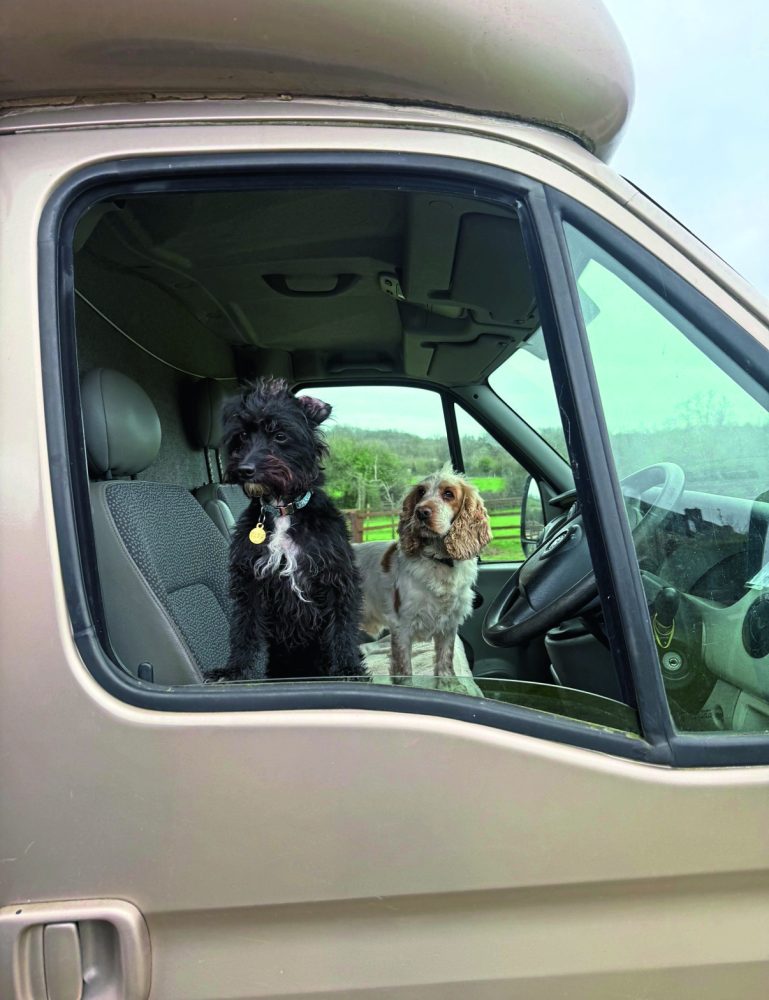
“I own a Cocker Spaniel and although they are high-energy, my dog Reggie fits in wonderfully with the lorry dog lifestyle,” says Collette Fairweather, who also owns a Jackapoo called Beans. “They are both trainable, which is a huge advantage.”
Awareness
Closely related to this is awareness. Of course, it goes without saying that all dogs should always be on short leads at equestrian events. A good horsebox dog learns to keep a sensible distance and behaves calmly around horses. Many seem to pick this up over time, but the ability to read situations and respond appropriately is essential.
Sociability
Sociability also matters, but it needs to be balanced. Shows bring together lots of people and dogs in shared spaces.
Aggression is obviously a problem, but overexcitement can be just as disruptive. A dog that constantly jumps on people or tries to play with every passing dog becomes difficult to manage. The ideal lorry dog is friendly without being pushy. It can interact calmly when needed and settle down when not.
“My pair of Labradors, Bea and Bear, are just the right amount of sociable,” says Kate Matthews. “This is one of the traits that makes them great lorry dogs, as when they go to events, I can rely on them to be friendly to passers-by, but without getting too much in anyone’s face — including small children, which I think is essential.”
Calm and relaxed
Another key factor is how well the dog handles the lifestyle itself. Horsebox dogs often travel long distances, spend hours waiting between activities and move from place to place. They need to be comfortable with this routine. Dogs that are highly anxious, struggle with being left alone or need constant stimulation may find it difficult.
Content doing nothing
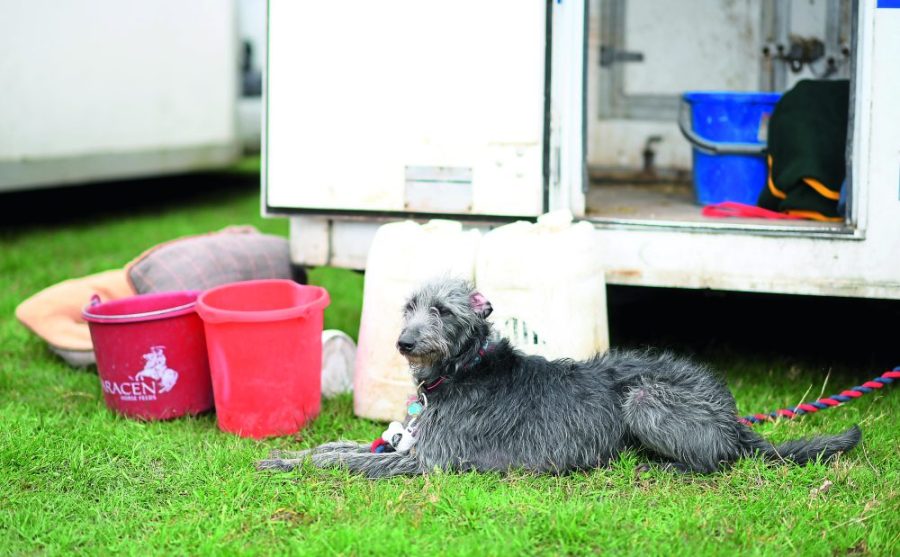
Equally important is the ability to do nothing. A large part of a lorry dog’s day involves waiting. Dogs
that need constant entertainment or become destructive when bored are not well suited to this setting.
The best ones are comfortable settling down for long periods. They rest, watch what’s going on and don’t demand attention all the time.
9 tips for raising a great lorry dog
1. Start them young
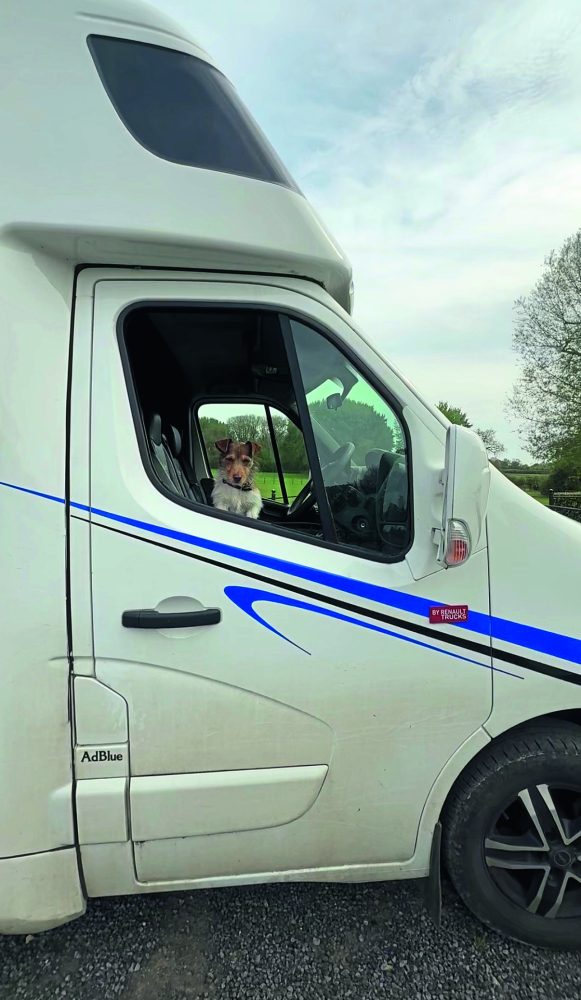
Expose puppies to busy environments early. Show them lorries, horses and bustling yards, so that they become accustomed to noise and movement from the outset. Gradual exposure reduces fear and builds confidence.
2. Teach boundaries
Set clear rules around horses, equipment and people. Practise “stay”, “wait” and “leave it” commands consistently. Dogs who understand their limits are safer and easier to manage.
3. Build calm confidence
Use positive reinforcement to reward composure. Encourage settling on a mat or designated area, even amidst activity. A dog that can relax on cue is worth its weight in gold at busy shows.
4. Practise travelling
Get dogs used to spending long hours in a lorry or horsebox gradually, with breaks for water and exercise. Comfortable travellers are calmer at shows and less prone to anxiety or motion sickness.
5. Socialising matters
Expose your dog to different people, dogs and environments regularly. A well-socialised dog can handle the hustle of shows without stress or overexcitement.
6. Reward settling
Encourage your dog to enjoy downtime. Long waits are part of the lifestyle. Dogs who can relax are safer, happier and better company.
7. Safety first
Always supervise dogs around horses and equipment. Even the calmest dogs can react unexpectedly, so vigilance and proper control are essential.
8. Include them in your routine
Dogs thrive when they are part of daily routines. Let them ride along, be near the lorry and participate
safely. Inclusion builds trust and improves behaviour.
9. Know your dog’s limits
Not every dog will love the lorry dog life. Respect their personality, as pushing them into stressful environments can cause anxiety and misbehaviour.