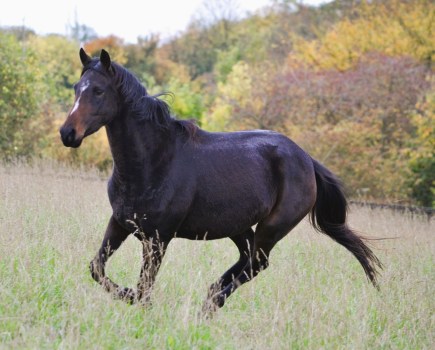


Many of us will be expecting gifts of chocolate or coffee this Christmas, but as much as we enjoy giving and receiving these tasty offerings, most are unaware of the hidden role horses and mules play in getting these treats from farm to shelf.
A new YouGov poll commissioned by international working animal charity Brooke has revealed a gap between consumer intention and industry transparency – sparking fresh calls to ensure the UK’s coffee and cocoa imports do not come at cost to animal welfare.
While 77% of GB adults say they’re aware of where their coffee comes from, and 74% say the same for chocolate, fewer than 6 in 10 (59%) know that animals are routinely used to transport coffee cherries and cacao pods in producing countries.
Awareness drops even lower among 18–24s (55%), despite the demographic being among the fastest-growing consumers of barista-made coffee.
However, concern is high among the public, with 82% saying animal welfare standards are important when buying coffee or chocolate, 85% prioritising fair wages for farmers and 65% paying more for coffee and/or chocolate products guaranteeing good animal welfare during transport.
More than 55% would support an “equine-welfare” stamp on their coffee or chocolate.
Women (71%) and younger adults (25-34 years, 72%) are the most willing to pay more for animal-friendly certification.
The role of equines
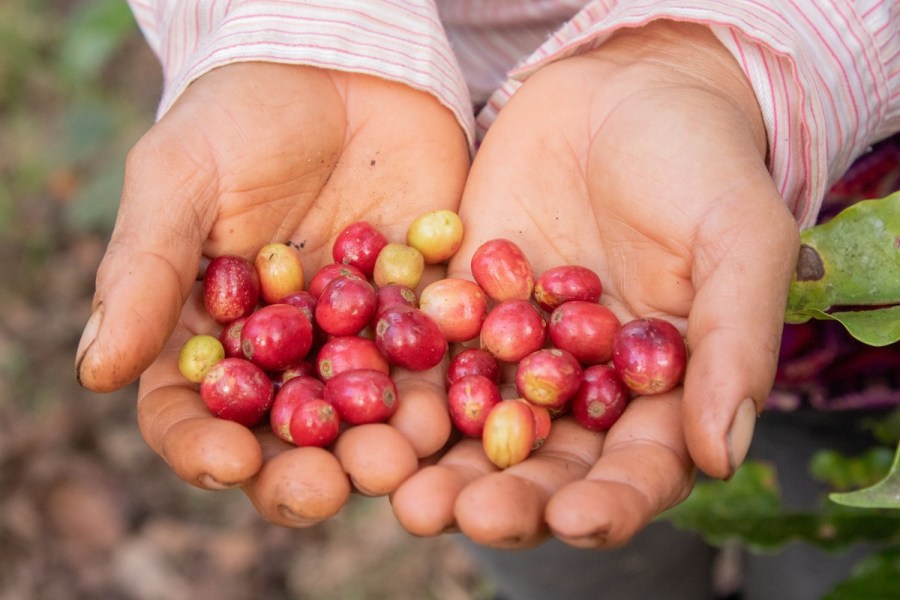
Horses and mules are essential to coffee and cacao production in many countries, including Nicaragua, one of the world’s top 15 coffee-producing nations and the largest cacao producer in Central America.
In remote areas where transport is unaffordable or impractical, working equines remain the only way to move produce from mountainous farms to central collection points.
However, long hours, steep terrain, heavy loads and limited access to veterinary care mean the animals are often at risk of injury, exhaustion and preventable disease.
“Without horses and mules, much of the coffee and cacao exported globally simply couldn’t reach markets,” said Brooke’s Global Head of Policy and Advocacy, Anna Marry.
“These animals are the invisible workforce behind products Brits enjoy every day. The good news is that with training, veterinary access and simple changes in handling, working equines can live healthier lives – and farmers can increase productivity.
“Brooke is helping to improve this in Nicaragua right now, and we ask consumers to support animal-friendly brands and retailers as best they can.”
Brooke has partnered with Nicaraguan farming communities to improve harnessing, load management, veterinary access and sustainable business skills.
Farmer José and his son Lester are among those who have been helped the Brooke. José and Lester transformed the welfare of their horse El Rojito after Brooke’s training, shifting from heavy, traditional practices to gentle, trust-based care supported by regular vet treatment.
This Christmas Brooke is calling on retailers and manufacturers to:
- Acknowledge the role of working animals in their supply chains.
- Adopt and promote best-practice animal welfare, including humane load limits and access to trained animal health workers.
- Provide clearer labelling so consumers can consciously choose welfare-guaranteed products.
It is urging consumers to:
- Look for ethical or animal welfare certifications on chocolate and coffee product labels.
- Support brands actively investing in animal welfare in their supply chain.
- Back Brooke’s work, which equips farming communities with the skills and tools needed to protect working equines.
- Ask retailers how they ensure animal-friendly transport of coffee and cacao.
- Consider purchasing organic products, why typically include higher animal welfare standards