
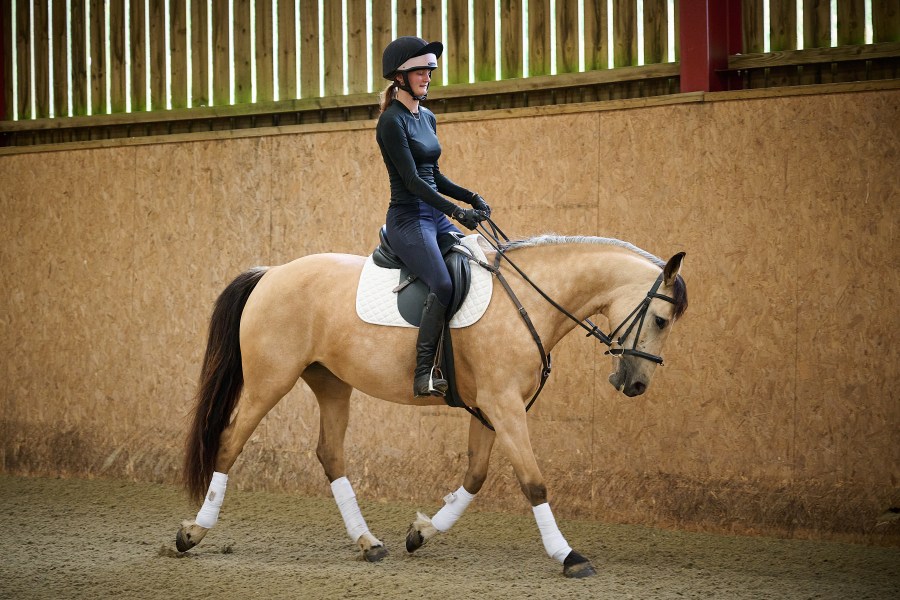
A West Sussex equine rehabilitation charity has successfully rehabilitated a five-year-old mare who was suffering from suspensory ligament pain, a commonly overlooked cause of lameness in young horses and one that is often mistaken for laziness.
Goldie arrived at Moorcroft Equine Rehabilitation Centre in Slinfold in June with lameness, weakness and behavioural issues. Despite her owner Sally’s best efforts, no diagnosis had been found.
Following a diagnostic ultrasound scan, Goldie was found to have damage in both her left and right suspensory ligaments and was started on a tailored rehabilitation plan.
Treatment plan
The rehabilitation plan combined Platelet Rich Plasma (PRP) treatment for both hind suspensory ligaments to help reduce the inflammation and discomfort with strengthening Goldie’s back on the long-reins.
The sacroiliac region, often affected secondarily, also benefited from this approach.
Within weeks, Goldie’s posture improved, her movement became fluid, and she was once again able to carry a rider.
“Young horses often lack the strength and coordination found in more mature horses, which makes them more prone to this type of injury,” said Mary Frances, CEO of Moorcroft.
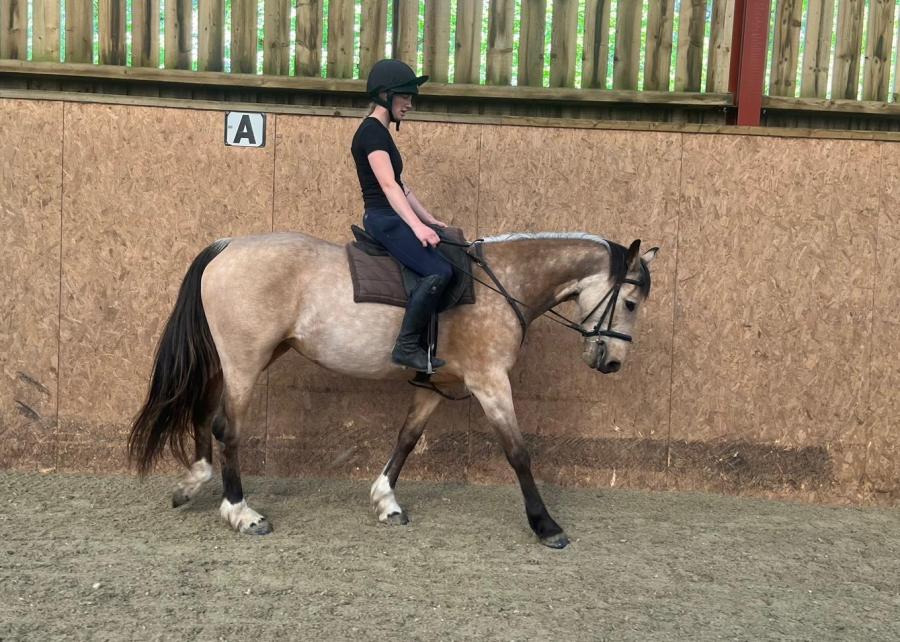
An ‘undetected’ issue
“In my experience, suspensory ligament pain frequently goes undetected, particularly in younger horses, because it is often bilateral. So, if the horse is lame in both hind-legs it is difficult to detect and often put down to laziness,” added Mary.
“The danger is that without the correct diagnosis and subsequent treatment, it can lead to repeated injury, increasing lameness and, in worse case scenarios, euthanasia.
“Only once the pain and discomfort has been reduced with PRP, long-reining work can begin. Short quality long-reining sessions allowed us to strengthen the back and hindquarters without causing damage to the suspensory ligament area,” continued Mary.
“It is essential that the surface the horse works on for this is firm, even and helpful. Deep, uneven or irregular surfaces can do even more damage.
“In order to get the very best results, consistency is key, with the work being monitoring at all times. Importantly, for this type of injury, straight line work is more beneficial than circles.”
Main symptoms
Key signs of suspensory ligament injury include:
- Reluctance to go forward
- Difficulty maintaining straightness
- Poor engagement from behind
- Struggles on deep or wet surfaces
‘Life-changing’ results
“The care and expertise at Moorcroft have been life-changing,” said Sally. “Goldie arrived in pain, with significant damage to both hind suspensory ligaments, and I felt completely lost.
“Thanks to the team’s guidance, PRP treatment, and a carefully managed exercise plan, she’s now a different horse. I’ve also gained the knowledge and confidence to support her long-term recovery.”
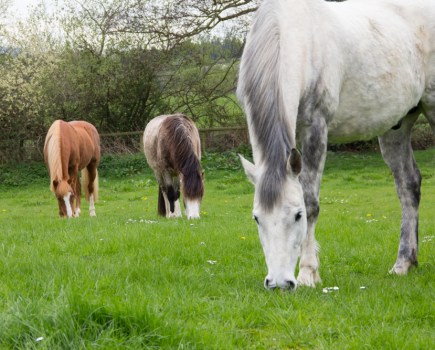
Main image of Goldie after her treatment. All images © Moorcroft Equine Rehabilitation Centre