
Sponsored content in association with SPILLERS
As lucky senior horse owners, we want our precious companions to continue to remain happy, healthy and look fabulous.
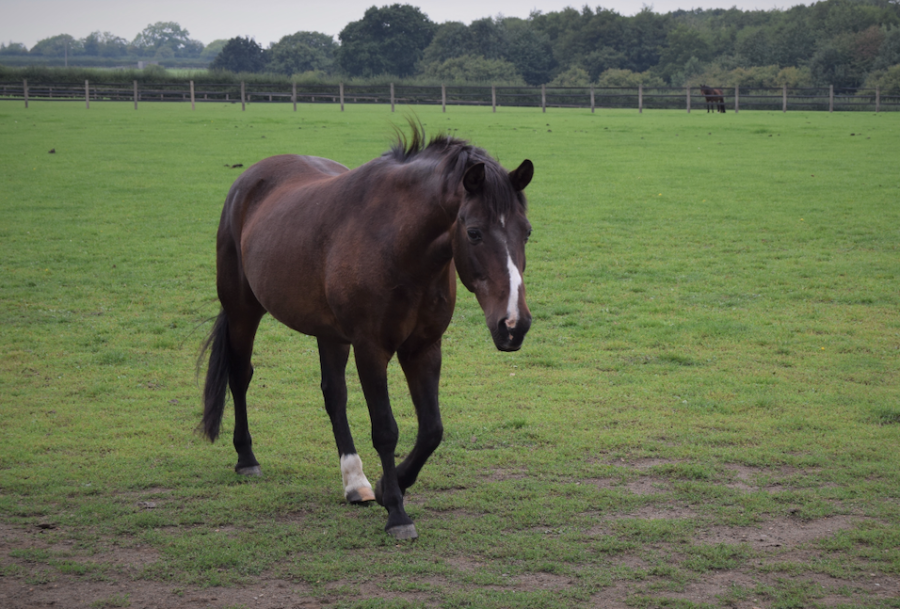
One of the most noticeable changes in older horses is the loss of topline as they lose their strong silhouette and strength. But is there anything you can do to help your horse maintain their topline for longer?
What is topline?
Topline refers to the group of muscles running all the way from the poll, down the horse’s neck, over the withers, along the back, loins, and down to the hindquarters.
These muscles play a crucial role in in movement, balance and alter the horse’s overall appearance. With some seniors, dramatic loss of topline can make getting up and lying down to rest more challenging.
Exercise is essential
While nutrition is important, there’s no substitute for correct exercise. Muscles need the right type of training and rest to develop and stay strong.
Once retired from ridden work, it’s common to see horses lose muscle — and sometimes quickly. The phrase ‘if you don’t use it, you lose it’ springs to mind.
While it may be prudent to retire some horses completely from ridden work, gentle groundwork or pole work or even light lunging can help keep those muscles active. Tailor exercise to your horse’s abilities — every little bit helps.
The power of quality protein
When it comes to supporting muscles, quality protein is king. Proteins are made up from amino acids, some of which are ‘essential’.
This means they must be supplied in the diet because the horse’s body can’t produce them. One of the most important of these is lysine, which is also the one most likely to be deficient in the equine diet.
Feeding for muscle maintenance
Forage alone often doesn’t provide enough lysine for senior requirements. Feeding a suitable compound feed or balancer is key to make up for the shortfall.
Balancers are an excellent choice for horses who maintain weight easily on forage but need that extra lysine to support muscle and topline, without unwanted calories.
Broad-spectrum vitamin and mineral supplements are usually low in protein, but pelleted balancers include amino acids, helping to give your horse the building blocks it needs to maintain muscle for longer.
If your horse needs more calories than a senior balancer and forage provide, look for senior, performance or conditioning feeds. These usually contain higher levels of protein than a lower calorie, leisure feed.
Choose a feed which provides the right balance of calories, fibre, sugar, starch AND protein for your horse’s individual needs.
Will a muscle supplements work?
You may be tempted to try a supplement, but practically, a well-chosen balancer or compound feed is likely to provide sufficient protein for the majority of horses.
A well formulated supplement might still benefit some horses, but it’s worth speaking to a nutrition specialist for advice.
Fat cannot be converted to muscle
Unfortunately, fat doesn’t magically turn into muscle. Muscle is built from protein and exercise, not converted from stored fat.
Overfeeding won’t contribute to muscle development and excess fat is detrimental to overall wellbeing. If your senior is overweight, choose a diet which restricts calories but still provides adequate protein.
The bottom line
Maintaining a strong topline isn’t easy with seniors, especially those out of work. There’s no quick fix or miracle supplement and building muscle in older horses who are still working requires patience — even in young horses it’s a slow process.
Reach out for advice on creating a tailored nutrition plan for your horse. With the right nutrition and gentle exercise, you’re giving your horse the best chance to maintain their topline and help them stay looking 18 years young forever!
For further advice on building topline please contact the SPILLERS Care-Line.