
World Horse Welfare has welcomed the Horse Welfare Board’s new five-year strategy which “should result in better experiences for all horses involved with racing in Britain”.
The strategy was launched alongside the RoR’s Strategy 2027-2031 on Tuesday (10 November) and focuses on the ambition that every horse bred to race should lead — and be seen to lead — ‘a life well-lived’.
The charity has welcomed the plan, which builds on the previous version with a deeper focus on “a lot of the right areas, including quality of life”, but would like to see further research on the use of the whip.
World Horse Welfare’s Chief Executive Roly Owers said providing all horses bred for racing with a good life must be the key priority.
“We would especially like to see investment in better measuring whether racehorses are provided with a good life, at all stages,” he said.
“Knowledge of what a good life looks like for a horse has evolved even in the seven years since the last strategy was launched, so it’s right to focus on how to use changing evidence to modernise ways of managing racehorses.
“It’s important to put the horse at the centre and consider quality of life not from our point of view, but from the horse’s perspective.”
On and off the track
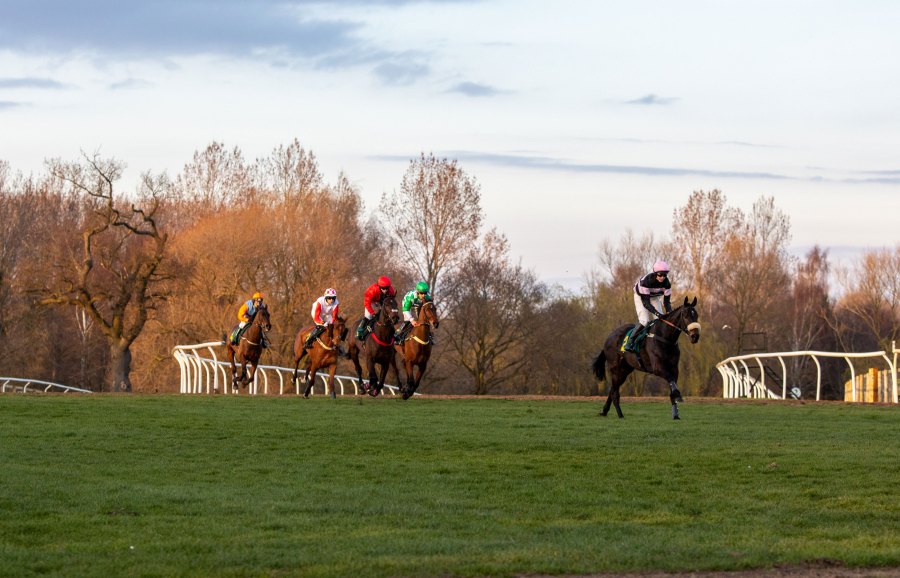
The charity was in full support of efforts to improve safety for horse and rider, and reduce avoidable risk, by looking not just at what takes place on the track but what happens off it too.
“We know the ‘other 23 hours’ have a huge impact on a horse’s health and welfare,” said Mr Owers.
“It’s refreshing to see a commitment to lifetime responsibility in this strategy underpinned by a plan of action.
“World Horse Welfare has said for some time that the welfare of any horse cannot be protected unless they are traceable, and we applaud racing for not only accepting this lifetime responsibility but committing to investing the resource and energy needed to fulfil it.”
Use of the whip
World Horse Welfare has also called for greater insight into whip use in racing.
“We welcome the greater emphasis on transparency and accountability, but would like to see further research on the use of the whip as proposed in the previous strategy,” added Mr Owers.
“As a welfare organisation, it is no surprise that we would like to see racing move further and faster on evolving their approach to welfare, but we believe this strategy is realistic and deliverable and should result in better experiences for all horses involved with racing in Britain.”
The strategy can be downloaded here.
Lead image by World Horse Welfare