
A West Sussex equine rehabilitation charity is highlighting the growing impact that modern management practices like intermittent feeding, high-grain diets, intensive exercise and long-term medication can have on equine digestive health, which in turn can increase the risk of gastric ulcers.
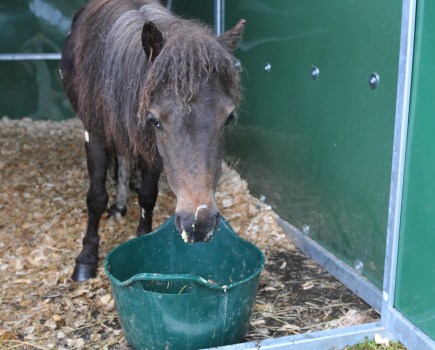
Moorcroft Equine Rehabilitation Centre in Slinfold was prompted to speak out after working with Corrib, a Connemara pony, who was suffering from severe gastric ulcers.
The charity believes the eight-year-old gelding’s associated pain and behavioural issues could have been avoided — or at least significantly reduced — if more traditional practices such as increased turn-out, more opportunities to forage, and ensuring horses are fed before they exercise, had been implemented.
“Some horses show very few signs of gastric discomfort, but many, like Corrib, make it clear that they’re unhappy,” said Mary Frances, CEO at Moorcroft.
“He arrived weak, lame and with a tight, sore back linked to low-grade pain in both hocks and stifles. This is an issue easily missed because it affects both sides equally. He was worryingly stiff and inactive for an eight-year-old, more like an older horse.”
Rehab programme
Moorcroft worked with its vet, physiotherapist and specialist team to create a tailored rehab programme to help resolve Corrib’s gastric ulcers and restore full soundness.
Treatment included long reining to stretch and strengthen Corrib’s back, regular physiotherapy to support postural changes and improve comfort and Platelet Rich Plasma therapy in both hocks and stifles.
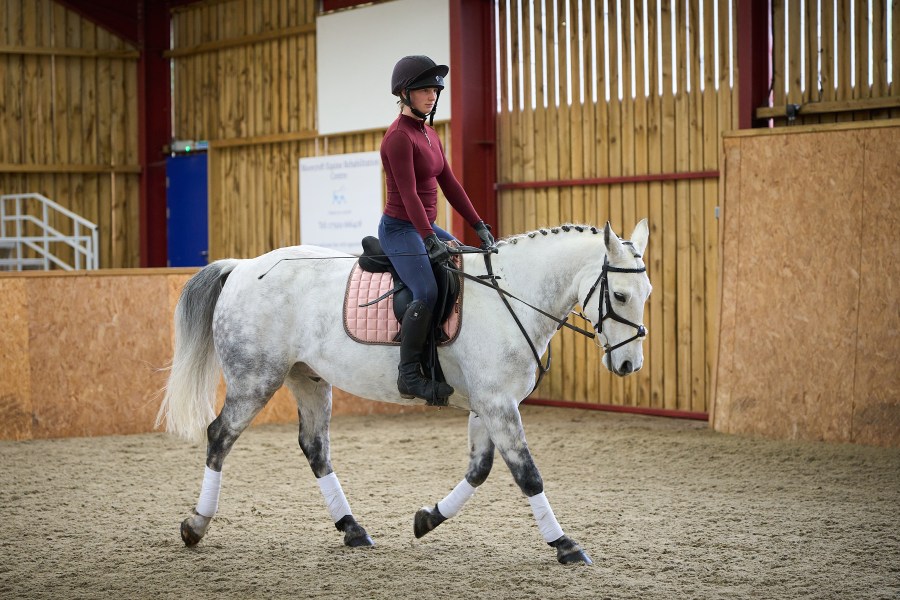
Over a six month period, Corrib has since undergone a marked transformation and is now back jumping, moving with a longer and easier stride on the flat, and is feeling much more comfortable to ride.
New chapter
“We’re delighted that Corrib’s latest test shows he is now ulcer-free,” said Mary.
“His journey highlights what compassion, dedication, and expertise can achieve. We’re thrilled that he can now look forward to a healthier, happier, and far more comfortable life.”
Image © Moorcroft Equine Rehabilitation Centre.