
The UK is experiencing a significant rise in livery yard contract disputes as horse owners face mounting costs and unclear agreements, a specialist lawyer has revealed.
Inadequate contracts between horse owners and stable operators have created a “perfect storm” of legal issues, with cases reaching county courts at alarming rates, according to Lara Davies, Head of Legal at OLS Solicitors.
“The number of disputes between horse owners and livery yard operators has grown substantially over the past year,” Ms Davies said. “Most stem from verbal agreements or poorly drafted contracts that lack clarity on basic terms like notice periods, fee increases, and responsibility for veterinary costs.”
The increase comes amid rising inflation and costs for equestrian essentials like feed, hay and bedding, as well as staffing expenses, often putting horse owners in difficult positions.
“County Court claims for contract disputes rose 18% in the first quarter of 2025 compared to the same period last year,” Ms Davies said. “Many of these involve equestrian matters where parties had no written agreement or terms were ambiguous.”
The Ministry of Justice’s latest civil justice statistics show that money claims valued between £1,000 and £3,000 – the typical range for livery disputes – increased by 30% compared to early 2024, with other damages claims jumping 81%.
“Horse owners often assume goodwill is enough, but when costs rise or circumstances change, relationships can deteriorate rapidly,” Ms Davies said. “Without clear written terms, both parties become vulnerable to costly legal battles.”
The lawyer has seen cases where livery owners introduced unexpected price hikes with minimal notice, leaving horse owners “scrambling” to find alternative stabling. Equally, yard owners have faced financial losses when clients leave without proper notice.
“One client faced a 40% fee increase with just two weeks’ notice. The yard owner claimed rising costs left no choice, but the contract was silent on how and when price changes could occur,” Davies said. “Another yard owner had three clients leave simultaneously with no notice, creating significant financial pressure.”
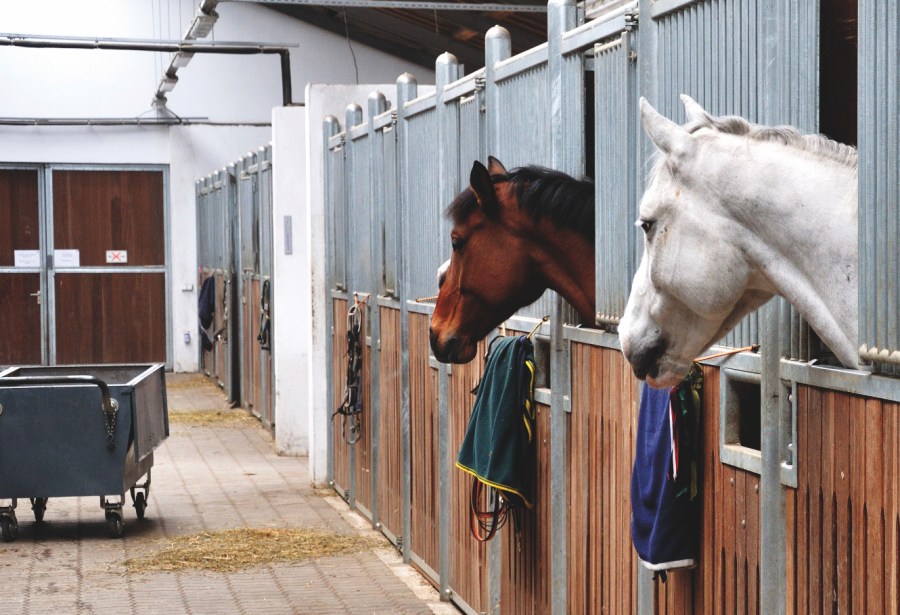
The British Horse Society estimates there are over 27,000 livery yards in the UK, ranging from DIY to full livery, yet many operate on informal agreements.
According to Ms Davies, the most common dispute triggers are unclear fee structures and notice periods for price increases, followed by confusion over who pays for damage to property, unclear responsibilities for horse welfare and ambiguous termination clauses.
She highlighted that disputes don’t just affect finances but can impact horse welfare.
“When relationships break down, horses can become caught in the middle,” she said. “We’ve seen cases where owners were denied access to their animals during disputes, creating welfare concerns.”
Data from the Ministry of Justice shows that defended cases in county courts increased 8% to 67,000 in early 2025, with the average time for small claims reaching 49.8 weeks – almost a year of legal uncertainty.
Ms Davies recommends all horse owners and yard operators put comprehensive written agreements in place, regardless of existing relationships.
“A good contract protects everyone involved,” she said. “It should clearly outline services provided, costs, notice periods for changes, termination procedures, and liability terms.”
She added that contracts need regular reviews as circumstances change.
“Many disputes arise from contracts that haven’t been updated for years and no longer reflect current costs or services,” she said.
For yard owners, Ms Davies suggests creating transparent pricing policies that acknowledge potential increases.
“Being upfront about how and when prices might change builds trust and reduces shock when increases become necessary,” she said.
Horse owners should carefully check contracts before signing and seek clarification on vague terms.
“Ask questions about anything unclear and get amendments in writing,” added Ms Davies. “Never rely on verbal assurances that aren’t in the contract.”
The specialist warned that the current economic climate makes these issues more pressing.
“With rising costs across the equestrian sector, clear agreements aren’t just helpful – they’re essential for protecting both businesses and horse owners,” she said.
“Prevention is always better than cure. A professionally drafted contract costs far less than litigation and protects relationships as well as finances.”