
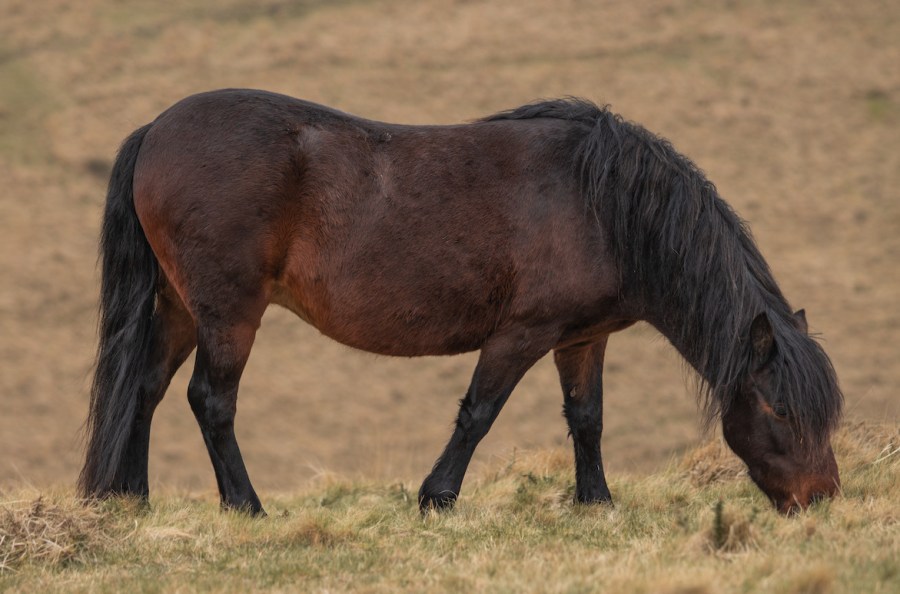
A new training series has been launched to help people understand the realities of taking on a feral or semi-handled pony.
The Feral Pony Behaviour and Training series has been organised by leading equine charities in the South West and is led by the British Horse Society (BHS).
It brings together the expertise of The Mare and Foal Sanctuary, Dartmoor Pony Heritage Trust and The HUGS Foundation, as well as vets, farriers, behaviourists and BHS Accredited Professional Coaches.
The three events will take place on Dartmoor, at the Mare and Foal Sanctuary’s Coombe Park Sanctuary near Totnes and in Bodmin. They are aimed at anyone who is thinking about buying, rescuing or retraining a pony, as well as those who already own feral or semi-handled ponies.
“This series is about putting the pony’s needs at the centre of every decision,” said Gemma Stanford, BHS Director of Horse Care and Welfare.
“We know many people feel drawn to helping feral and semi handled ponies, especially around the autumn drift sales, but good intentions aren’t enough on their own. Understanding how a feral pony lives on the moor, what changes when they move into a domestic setting, and what that means day to day for the owner is critical.
“Our aim is simple: understand the pony, prepare the owner, and then support that partnership for the future. By bringing charities and professionals together we can give people consistent, practical guidance so that more ponies enjoy a genuinely good quality of life.”
A crucial time

The series comes at a time of heightened public interest in Dartmoor’s ponies and how they are managed, rehomed and cared for once they leave the moor.
Your Horse recently reported on concerns for the future of Dartmoor hill ponies after proposed changes to stocking rules, which have since been overturned.
The partner charities involved in the training series believe education, preparation and realistic expectations are key to preventing welfare problems.
Research from the RSPCA’s 2025 report Horse Sense: A good life for Horses Through Strengthening the Horse–Human Relationship concluded that “most equines in England and Wales, across all sectors of society, do not have the opportunity to experience a good quality of life”.
Instead, many are affected by “obesity, lack of turnout, frequently changing homes and herd mates, gastric ulcers, delayed euthanasia, limited social interaction, rough handling and poor owner recognition of stress, pain and quality of life”. Overall, the RSPCA warned of an “equine welfare crisis” driven by gaps in owner knowledge, lack of appropriate land and facilities, and a failure to plan for horses’ lifetime welfare.
“Across the South West we’re seeing more ponies needing help, and too many situations where owners are feeling overwhelmed,” said Leah Brock, Senior Field Officer at The Mare and Foal Sanctuary.
“Often it comes back to gaps in knowledge or a lack of realistic planning. We often meet very kind people who want to rescue ponies they worry will face a terrible fate without intervention. Sadly, if they don’t have the right knowledge, the homes they offer can turn out to be unsuitable, unhealthy or stressful for the pony, even though everyone’s intentions are good.
“It’s so important that people arm themselves with realistic knowledge of what horse ownership means and whether it’s something they can genuinely provide. We’re here to support and guide people. There is no judgement, only a genuine desire from us all to help ponies and their owners build a better connection and enjoy a healthy, happy life together.”
Learning about pony behaviour
The educational series begins with a guided Walk and Talk on Dartmoor, in partnership with Dartmoor Pony Heritage Trust at Bellever Forest, Devon, on Thursday 10 September. Participants will observe ponies in their natural environment and learn about herd dynamics, social structure, grazing behaviour, seasonal movement, natural diet and the role ponies play in the Dartmoor ecosystem.
The second event, hosted by The Mare and Foal Sanctuary at their Coombe Park Equestrian Centre near Totnes on Monday 14 September, is a full-day Feral Pony Preparation Clinic. In partnership with vet Richard Frost from Tor Equine and farrier Tom Phillips from Trojan Farriery, it will cover equine behaviour, reading body language, safe facilities and field set up, initial handling, companionship, feeding, parasite control, hoof care, veterinary planning and common mistakes.
The third event takes place on Sunday 4 October at The HUGS Foundation’s site near Bodmin in Cornwall. This clinic mirrors the Totnes workshop but uses local examples and experience, making it easier for Cornish owners and prospective owners to attend while hearing the same welfare-focused messages.
“Our guided walk event on Dartmoor is about helping people see heritage ponies as they really are, in the landscape that has shaped them,” said Cath Anderson, Head of Operations at the Dartmoor Pony Heritage Trust. “When you watch a herd moving, grazing and interacting on the moor, you begin to understand what these ponies need to stay healthy, both physically and mentally.
“Dartmoor’s native ponies play a vital role in the moorland ecosystem and in the life of farming communities, so it matters that any move into a domestic home is done thoughtfully. By giving people the chance to learn from the ponies in their natural environment, we hope they will go away better prepared to make good decisions about ownership and welfare, and more confident in how they can support the future of these herds on Dartmoor.”
Anyone who is considering taking on a pony, already owns a feral or semi-handled pony, or simply wants to understand more about equine welfare is encouraged to attend.
“By working together, charities and professionals can reach more people, share what we have learned and hopefully reduce the number of ponies who end up in crisis,” said Jana Merrett Jones, Animal Welfare Manager at The HUGS Foundation.
“We’re also keen to highlight the incredible rewards of pony ownership. When people take the time to understand feral ponies on their own terms, something special happens. Learning to read their body language, to give them space and to build trust at their pace can be incredibly rewarding.
“The bond that can grow when a once feral pony chooses to trust a person is one of the great joys for anyone who loves animals, but it needs patience, the right set up and good advice.”
Those interested in attending can sign up via the BHS website.
Lead image by Shutterstock