
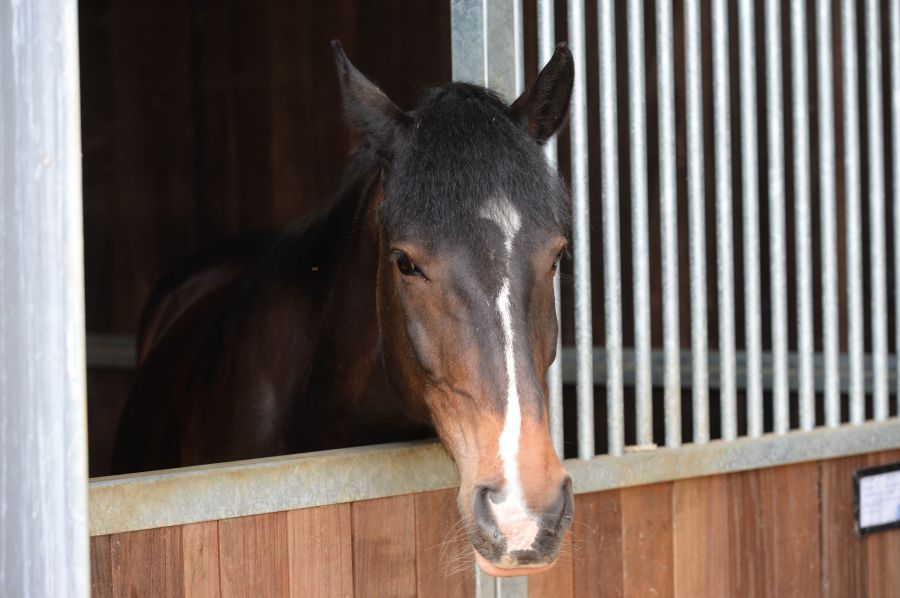
Colic remains one of the main veterinary emergencies for horses, and with recent changes to grass growth adding to the threat, the British Horse Society (BHS) is reminding owners and those who care for a horse of its REACT Now to Beat Colic campaign.
This October marks 10 years since the launch of the BHS and University of Nottingham initiative, and the BHS has said the campaign message remains as important today as it was in 2016.
To support a decade of the appeal, the BHS will be unveiling new REACT infographics and sharing practical tips from Professor Sarah Freeman of the University of Nottingham, to help horse owners support their horse’s continued wellbeing.
“We launched the campaign following the University of Nottingham’s research that found colic accounted for one in three emergency veterinary visits, with 90% of horse owners lacking the confidence to spot the earlier signs of colic in their horse,” said Gemma Stanford, BHS Director of Horse Care and Welfare.
“Fast-forward to today and colic remains one of the most common emergencies veterinary practitioners respond to, especially over the last few weeks and the changes we’ve seen in grass growth.”
How to spot the early signs of colic
The REACT campaign provides a range of guidance and information designed to support owners. Part of the campaign was the development of the simple acronym ‘REACT’, to support horse owners in spotting the early signs of colic:
- R – Restless or agitated: Pacing, box-walking, circling, pawing, sweating, or trying to lie down or roll.
- E – Eating less or droppings reduced: Loss of appetite, eating nothing, passing fewer or no droppings, or changes in dropping consistency.
- A – Abdominal pain: Flank watching, kicking or biting at the belly, or stretching.
- C – Clinical changes: Increased heart rate, rapid breathing, reduced or absent gut sounds, or dark/abnormal gum colour.
- T – Tired or lethargic: Standing with a lowered head, looking dull, depressed, or lying down more than usual.
“We know that recognising the signs of colic early and contacting your vet quickly is vital to increase the chance of recovery,” said Gemma.
“We continue to encourage all horse owners to think REACT, complete their Emergency Care Plan and share it with your nominated people so treatment never needs to be delayed if you’re ever uncontactable, and to always seek veterinary advice if you’re ever unsure.”
Further information about the REACT to Colic campaign, including information and details about Emergency Care Plans can be found on the BHS website.