
When a racehorse retires, their digestive system often needs a chance to recover and recalibrate. This means a new nutritional strategy is needed — one that lowers the risks associated with high-starch feeding while still providing enough energy to maintain condition.
Retired racehorses don’t suddenly stop needing fuel. Their muscles still require glucose and many continue to live active lives, with new jobs and a different way of being managed. So, the challenge becomes, how do we supply the energy they need without overwhelming their gut with starch?
A racehorse is, in many ways, the equine equivalent of a world-class athlete. Everything in their daily routine — training, mental stimulation and especially nutrition — is carefully managed to allow the horse to perform at peak speed and power.
However, racehorses share the same basic physiology and digestive limitations as any other equine.
Digestive challenges
Unlike endurance-based equine disciplines, which rely heavily on slow-twitch muscle fibres and a steady supply of slow-release energy, racing depends on fast-twitch fibres that generate explosive power.
These fibres don’t operate efficiently on the same energy sources used by endurance horses. Instead, they require quick-release fuel — mainly starch — to support the intense anaerobic bursts needed while in training and on the racecourse.
This means racehorses need diets higher in starch and carbohydrates than the average leisure or sport horse.
Traditionally, trainers have met these needs by feeding high-carbohydrate rations, typically made up of energy-dense compound feeds, grain mixes and large amounts of oats.
These feeds do a reliable job of powering both anaerobic and aerobic work, allowing racehorses to build strength, accelerate rapidly and recover between training sessions.
While these diets are effective at supporting performance, they come with a range of digestive challenges, which can have a lasting impact on the horse’s gut and overall health — effects that can often continue well into the next phase of their lives.
The problem with starch
One of the most well-known problems of a high-starch diet is gastric ulceration. The equine stomach is divided into two distinct regions: a lower, glandular area that produces stomach acid and an upper, unprotected squamous area.
Because starch does not buffer stomach acid effectively, the acid splashes around during exercise – especially when the stomach is relatively empty – and it can burn the vulnerable squamous region. This is one of the primary pathways by which ulcers develop.
Fermentation of large amounts of carbohydrates can also encourage an increase in acid-producing microbes. As these microbes proliferate, the stomach environment becomes even more acidic, supporting the growth of harmful bacteria and further irritating the stomach lining.
When excessive starch passes into the hindgut, it can lower the pH there as well, disturbing the delicate balance of the gut microbiota. This can contribute to ulceration throughout the digestive tract and disrupt normal digestion and nutrient absorption.
Insulin spikes
The effects of high-sugar and high-starch diets create additional factors. Every time a racehorse consumes a meal rich in carbohydrates, their blood glucose rises and insulin is released to move glucose into the cells.
While this is a normal physiological process, excessive or repeated spikes in insulin can influence several other systems. Insulin affects fat metabolism, can alter stomach acid production and, in some cases, may contribute to low oxygen availability within tissues.
Over time, repeated elevations in insulin may even lead to insulin resistance, making the horse’s metabolism less efficient. And when too much sugar reaches the hindgut, microbial disturbance can lead to inflammation, production of endotoxins and systemic effects that compromise the horse’s broader health.
Living arrangements
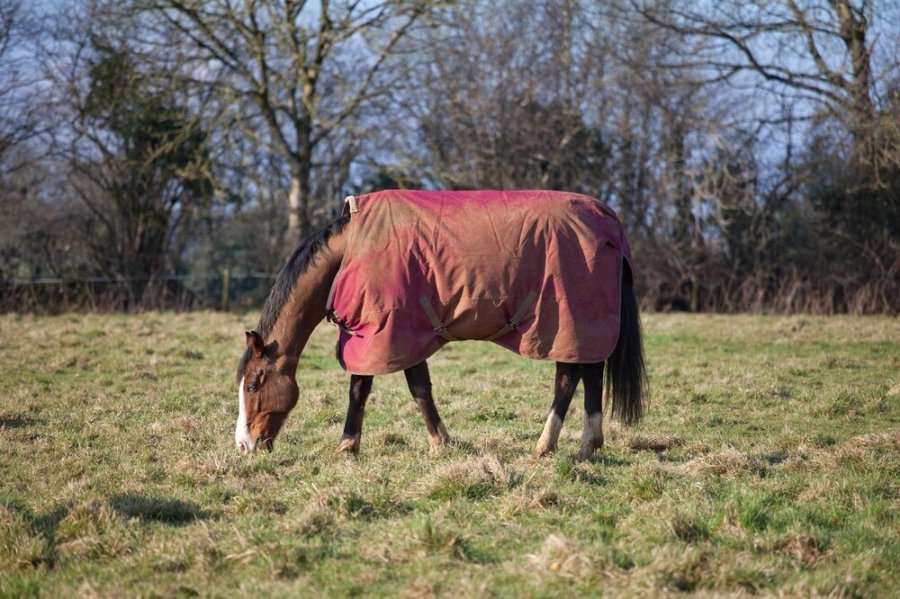
Whether a retired racehorse is living mostly outdoors or spending more time stabled, seasonal changes inevitably alter their feeding routine.
Horses that have been enjoying long days on pasture may find themselves relying heavily on hay or haylage. Even those already accustomed to a more managed lifestyle may see changes in their daily rhythm during the winter as colder weather affects their appetite, turnout schedule and activity levels.
Temperature changes
Lower temperatures increase energy requirements, too. Horses burn more calories simply to maintain their body temperature during cooler months. Generally, for every 10°C drop in temperature, a horse’s digestible energy needs increase by roughly 2%.
Turnout time
Shorter days during winter months also means reduced grazing time. Pasture quality declines dramatically in winter, forcing a horse to rely more heavily on conserved forage.
Forage is the true foundation of a horse’s diet at any time of year, but its importance is even greater for a horse with a recovering digestive system.
Fibre sources
Traditionally, hard feeds were the go-to solution for boosting energy intake, but for a retired racehorse – particularly one with a history of high-starch diets, ulcers or insulin-related issues – fibre-based feeds offer a far healthier alternative.
Targeted fibre sources can help support the gut, stabilise the microbiome and provide fizz-free, sustained energy without the metabolic stress associated with large grain meals.
These alternative fibre sources are especially effective at addressing lingering issues some ex-racehorses carry with them: ulceration, microbial imbalances, carbohydrate sensitivities and difficulty maintaining weight.
Fibres that encourage the production of short-chain fatty acids (SCFAs) produced by gut bacteria fermenting dietary fibres are particularly valuable, as these VFAs support glucose-dependent muscle tissue, nourish the cells of the gut lining, and enhance nutrient absorption.
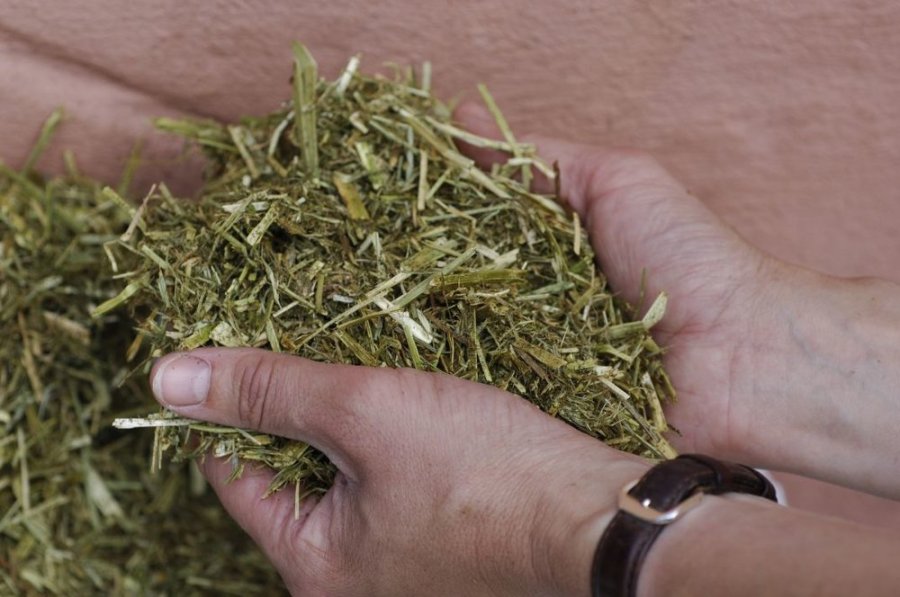
Alfalfa
Alfalfa is a good option for this purpose. It offers highly digestible energy, provides slow-release fuel and contributes to more stable glucose regulation.
Alfalfa also has natural buffering properties because of its high calcium content, helping to absorb stomach acid and reduce the risk of acid splash, making it an excellent feed choice for horses recovering from gastric discomfort.
Beet pulp
Another outstanding fibre source, beet pulp has nearly twice as much digestible energy as grass and supplies it in a similar slow-release form to alfalfa.
Beet pulp is also rich in pectin, a soluble fibre with several key benefits. Pectin strengthens the stomach’s mucus barrier, supports the health of the small intestine and acts as a prebiotic, feeding the beneficial bacteria responsible for fibre fermentation.
Research shows that pectin can even improve the digestibility of other forages — by up to 25% for alfalfa and about 10% for grass or hay — making it especially useful during winter when forage quality may decline.
Long-term health
While turning a retired racehorse out to pasture might seem like the easiest approach, choosing targeted fibre-rich feeds offers far greater support for long-term health.
These feeds help reset the gut after a career of high-starch diets, stabilise metabolic function, encourage the development of a healthier microbial community and provide lower calories that help maintain condition.
Images © Your Horse Library