

An international dressage rider and coach has spoken about the tragic loss of her much-loved homebred yearling in an effort to increase awareness surrounding worms in horses.
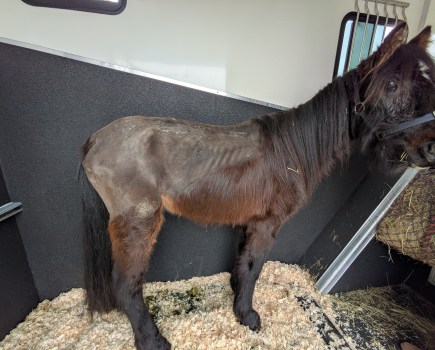
Carolyn Mellor’s future star Tigger went from being a picture of health to suddenly losing his sparkle and rapidly deteriorating, and despite best efforts to save him, eventually the kindest option was to put the youngster to sleep.
Carolyn, who is based in Comber, Northern Ireland, told Your Horse she now wants to ensure equestrians are made aware of the risks posed by worms and form a better understanding of up-to-date best practice surrounding parasite control.
She explained that Tigger had been his usual playful self the day before he became unwell, bucking and squealing in the field with the other youngsters. The following day she noticed him looking a bit dull and despite his temperature being normal, she called out the vet as she still thought something was wrong.
After conducting tests which came back clear it was suspected Tigger may have been feeling unwell after being gelded three weeks previously, so he was put on antibiotics in case of infection. However, he did not improve and further tests revealed his white blood cell count was very high and he needed to be taken to the equine hospital.
Further investigation of tests found that Tigger was infested with redworms and that his colon was enlarged. A faecal sample was also conducted which came back clear for worms – a fact which Carolyn highlights as showing that samples of droppings alone are not adequate for detecting all worms.
After five days at hospital Tigger was able to come home and was put on steroids and an intensive worming programme, but he went downhill again and had to return to the hospital. Two days later he tested positive for salmonella and Carolyn made the difficult decision to put him out of his suffering with the support of her vets.
Lack of awareness
Carolyn said her experience was not an isolated event and that many other owners have experienced similar heartbreak and reached out to her following Tigger’s loss. She believes there is a lack of knowledge on modern worm testing methods, parasite management and wormer resistance.
“It is becoming a real problem and is escalating,” she said. “A lot of people think they’re experts but there’s so many people that have messaged me from all over the world that said they had no idea [about faecal egg counts not always revealing worm burdens], not just amateur riders but professionals.
“It’s not commonly known but it needs to be put out there.”
Carolyn urged horse owners to speak to their vet about the best course of action for their animals and to not rely on faecal worm counts alone, particularly for very young or old horses.
She said that after she shared Tigger’s story online she heard from another 10 owners who had lost youngsters that week to worms.
All the horses on her yard have now had blood tests and only two required worming. Carolyn has also taken the horses off her land and will graze sheep on her paddocks to further mitigate the risks.
“Tigger went from one day being a playful, stocky, fat yearling to looking so thin tucked up and miserable – it was frightening how quickly it happened,” she said.
A special youngster
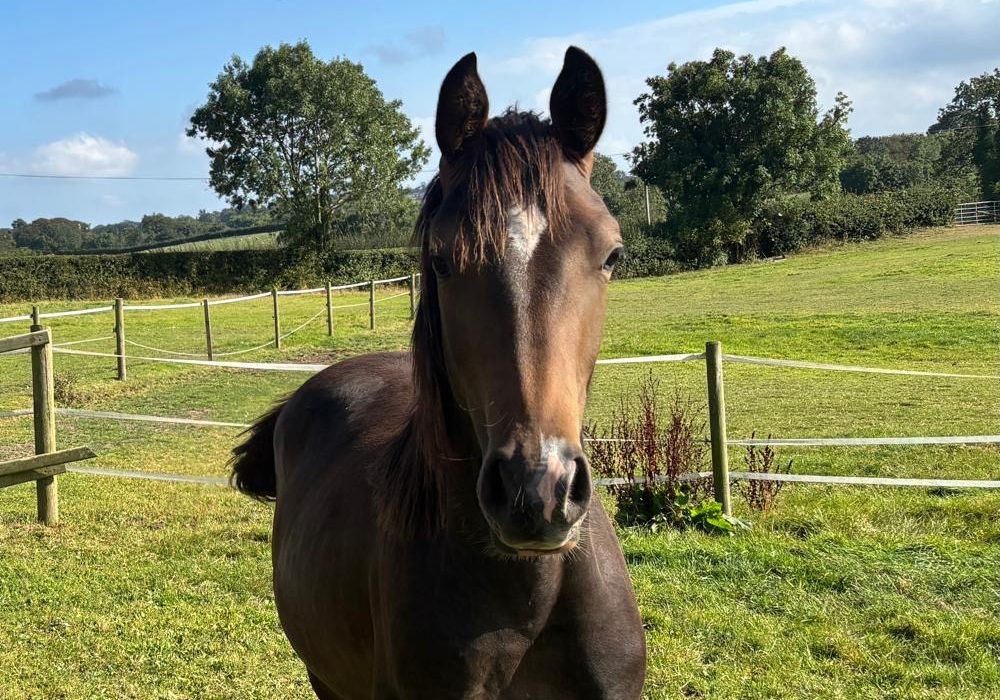
Tigger had an exciting career ahead of him and was a special member of the herd.
“He was just an amazing yearling,” Carolyn said. “From when he was first born he was cheeky and forward, also the most trusting. He caught everyone’s eye, he was beautiful and moved really well.
“He was a very nice person and never had any issue with anything, he wasn’t frightened and was up at the door chatting to us from when he was born.
“It’s a real shame to lose any, but he was one I earmarked to keep and had a good young rider in mind to produce him. I really thought he was special and he was going to be a real superstar.”
Carolyn hopes Tigger’s life wasn’t in vain and that his story will show that worms can affect anyone, however experienced, and for others to be vigilant of signs their horse may be suffering.
Vet advice
One of Carolyn’s vets, Zoe Jameson MRCVS of Tullyraine Equine Clinic, supports Carolyn’s ambitions to raise awareness among owners of correct parasite control.
“As a practising equine vet, I see first-hand how much worming strategies have changed in recent years – and how important it is for horse owners to move away from routine, calendar-based dosing,” she told Your Horse. “With increasing resistance and no new wormer types in development, winter worming needs to be thoughtful, evidence-based, and tailored to each horse.
“The most important step is simple: test and risk-assess before you treat. Regular faecal egg counts (FECs) give a reliable picture of how many strongyle eggs a horse is shedding. When followed up with a faecal egg count reduction test (FECR) after worming, we can confirm whether a product has worked and monitor for resistance developing on the yard.
“Winter is also the time when we must be especially mindful of encysted redworm, one of the most dangerous parasites affecting horses. These larvae hide in the gut wall and do not show up on routine FECs, which is why a proper winter risk assessment is essential: looking at age, grazing density, pasture management and testing history.
“Young horses, older horses, newcomers to the yard and those with limited testing records often need more targeted winter protection.”Zoe explained that tapeworm control has also evolved. Because tapeworm eggs rarely appear in droppings, saliva or blood antibody testing is the most reliable way to assess exposure and avoid unnecessary treatments.
“Choosing the right wormer means focusing on active ingredients, not brands, and matching the product to the parasite you are targeting,” she said.
“Alongside this, good pasture hygiene; regular poo picking, rotational grazing and avoiding overstocking remains the most powerful worm-control tool we have.”
Zoe has created a Winter Worming Guide she is happy to share for free. Those interested in finding out more can email hello@zoejamesonvet.co.uk and she will send a copy.
You can also follow Zoe’s advice online via her social media @zoejamesonvet