
A “significant” increase in cases of strangles has been identified across the UK this year, prompting renewed calls for horse care professionals and owners to strengthen biosecurity and consider vaccination to help reduce disease spread.
Data from the Surveillance of Equine Strangles (SES) network, which collects reports of laboratory diagnoses from 12 veterinary diagnostic laboratories and equine practices nationwide, confirms that over 370 cases have already been diagnosed in 2025, surpassing the UK’s annual average of around 300.
Throughout 2025 Equine Infectious Disease Surveillance (EIDS) has been monitoring diagnoses reported to SES. Analysis of this data revealed that the number of positive diagnoses this year is significantly higher than in 2023 and 2024, indicating a genuine increase rather than normal year-to-year variation.
“These findings are a clear reminder that strangles remains an ever-present risk to the UK horse population,” said Dr Richard Newton of EIDS. “The increase in diagnoses underlines the importance of continued vigilance, prompt reporting, and proactive prevention measures.”
Recent research by EIDS and the Royal Veterinary College (RVC) has also provided insights into how strangles spreads. The research indicated that acutely infected or recently recovered short-term carrier horses play a more important role in transmission than long-term carriers.
“Our data shows how easily this disease can move across regions through potential links such as shared horse transport, events/competitions, and buying and selling horses,” said Dr Abigail McGlennon. “Post-outbreak screening, sufficient quarantine and screening of new arrivals and routine biosecurity measures are essential to preventing wider transmission.”
With the number of confirmed cases climbing, EIDS and the SES network are urging veterinary professionals and owners to revisit their yard management practices. Isolating new arrivals, disinfecting shared equipment, and post-outbreak screening can make a substantial difference in controlling the disease.
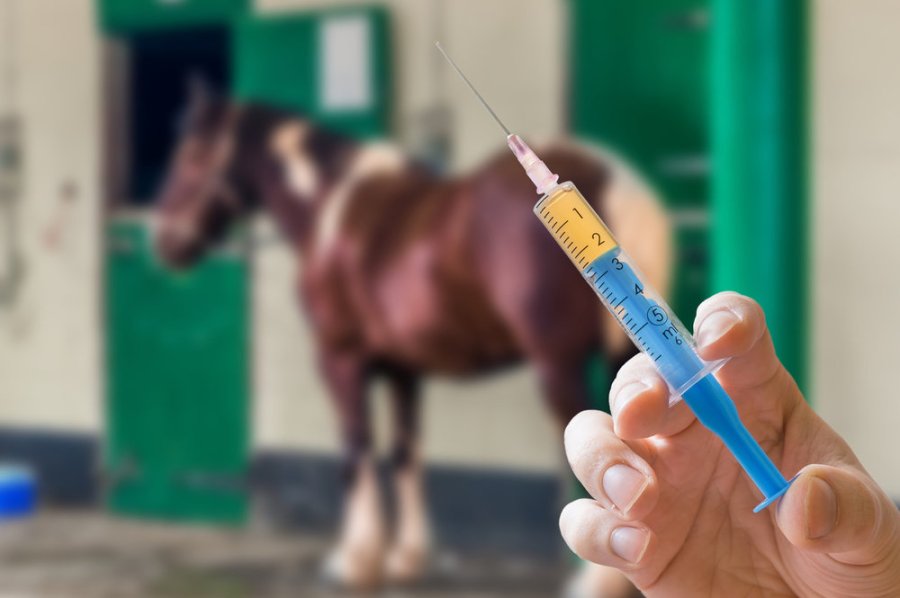
Vaccination is also an effective additional tool, they said. When combined with good hygiene and daily temperature checking, vaccination can help reduce both the risk of infection and further spread.
“We now have more tools than ever to protect horses, but knowledge must be matched by action,” said Dr McGlennon. “Prevention, early detection, and vaccination together can help to reduce the impact of strangles.”
For resources to help recognise the signs of strangles and improve prevention, visit the EIDS information page here.
Image credit: Shutterstock