
Sponsored content in association with SPILLERS
Feeding your horse or pony a balanced diet is important regardless of age, workload, health or type.
As those in their senior years slow down to enjoy a quieter life, it’s important we continue to support their nutrition, even if they may not need feeding to maintain their weight. This is because there are important nutrients they need to help them to thrive for longer.
Regardless of their age, forage should always be the foundation of a horse’s diet (those with dental issues may need adaptations), but even when plentiful it may not provide all the important nutrients required for it to be balanced.
Essential nutrients are vital for general health and good bodily function, including:
- Formation of good skin
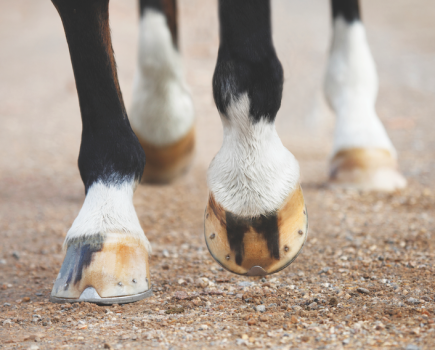
- Hoof quality
- Support of a strong immune system
- Optimum muscle function and repair.
Key nutrients such as copper, zinc, selenium, vitamin E, and lysine are typically ones which need to be supplied by a balancer or vitamin and mineral supplement.
Low-calorie solution for nutrient deficiency
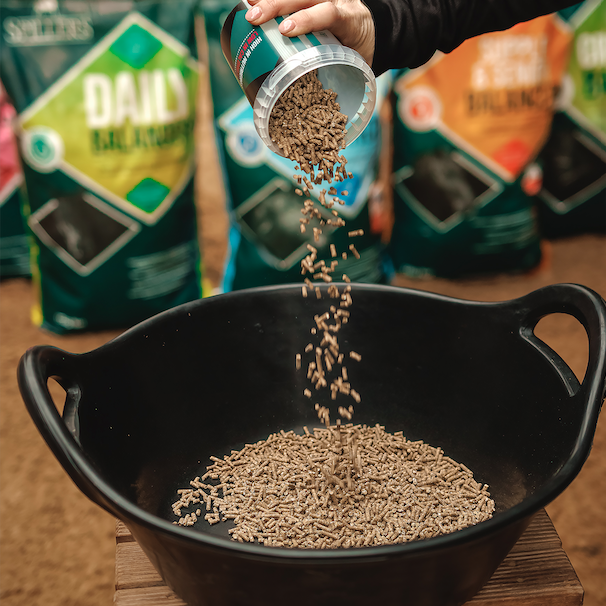
Feed balancers are nutrient-dense feeds designed to provide a concentrated supply of vitamins, minerals, and amino acids in small daily portions.
They are ideal for horses who maintain weight easily on forage (and grazing) alone, and contribute minimal calories, starch, and sugar to the diet, making them suitable for good doers, fizzy or anxious horses.
Vitamin E
Vitamin E is a powerful antioxidant essential for muscle and immune health. While green pasture can provide sufficient vitamin E for rest or light work, levels in hay and haylage are often very low.
Vitamin A
Vitamin A, derived from beta-carotene in forage, is crucial for maintaining healthy vision, skin, and immune function.
Horses with access to grazing are less likely to be deficient, but supplementation may be necessary for those on limited grazing and who are fed more hay and haylage, as they lose a significant amount of beta-carotene during harvest and storage.
Zinc, copper, and selenium
Even with unrestricted grazing, horses may not receive adequate amounts of zinc, copper, and selenium.
These minerals play vital roles in various physiological processes, including hoof growth, enzyme function and antioxidant defence.
Avoid added iron
Iron deficiency is rare in horses and excess intake can be harmful. UK forage typically exceeds iron requirements, even in restricted diets, so try to avoid products with added iron.
Protein: quality matters!
Protein quality is just as important as quantity and good diets help slow muscle wastage commonly seen in retired or elder horses.
The amino acid lysine is particularly important. It cannot be synthesised by the horse’s body and must be supplied by the diet as it plays a significant role in muscle development, function, and repair.
Not only does muscle wastage look unsightly, but it can also make getting up and down more difficult for seniors who enjoy a lie down or roll.
Pelleted balancers generally provide far more protein than powdered vitamins and minerals supplement so are a better option for seniors.
Extra benefits of balancers
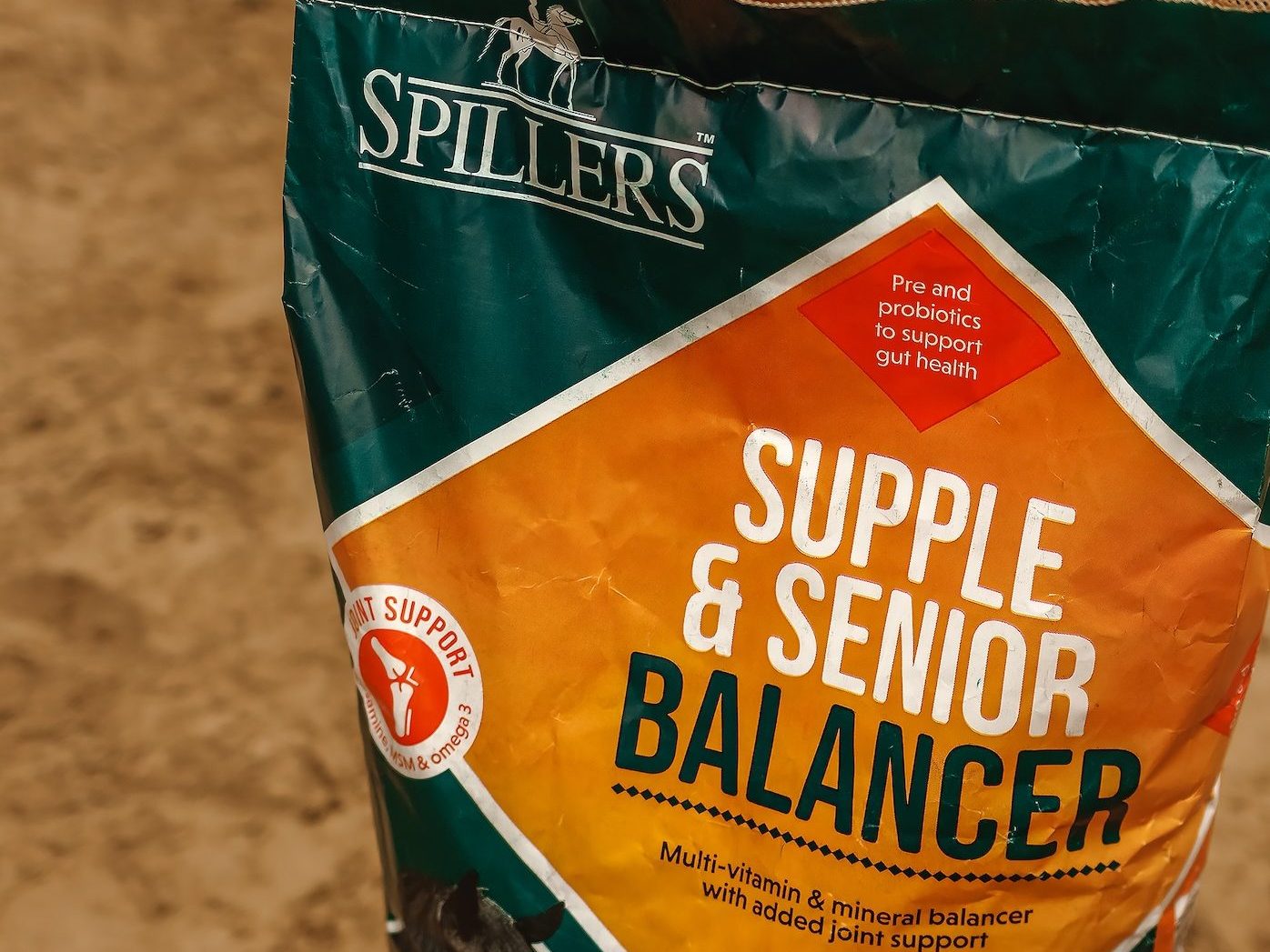
Senior balancers commonly include added ingredients like pre- and probiotics for optimal digestion, glucosamine for joint support and vitamin C for respiratory health.
Best for seniors
A balanced diet can help bring out the best in your senior horse, a gleaming shine, stronger hooves and helping their immune system thrive for longer.
Feed balancers are an economical and practical solution for supplying nutrients without supplying unwanted calories for good doers who don’t need larger meals.
If you would like personalised nutrition advice for your senior horse or pony you can contact the SPILLERS Care-Line by calling 01908 226626 or by completing an online form here.
Images © Spillers