
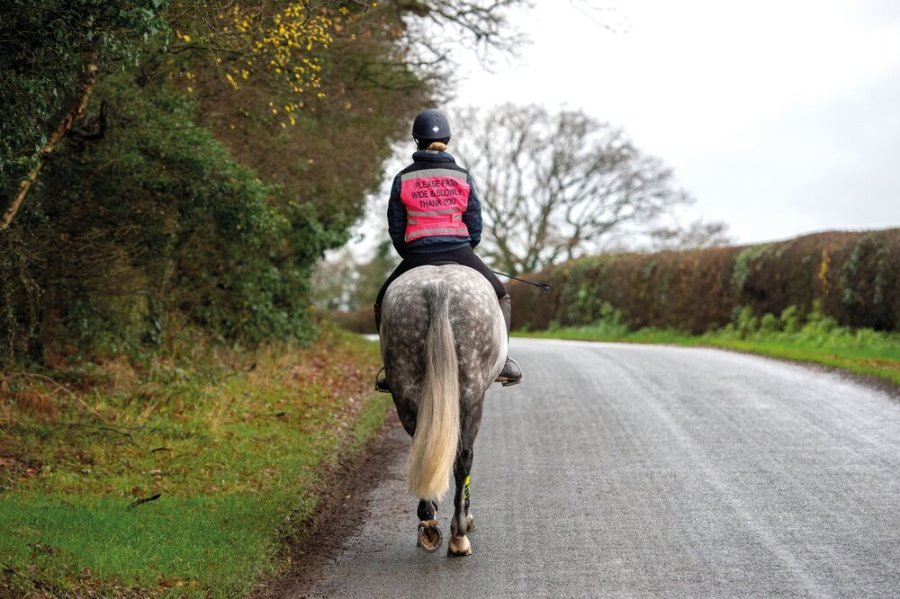
Let’s begin by acknowledging something important: none of us were inspired by the winter season to become horse riders or owners.
We endure this period to reach the lighter evenings, T-shirt weather, and long hacks. Winter is something to get through, not something most of us actively look forward to.
It is completely reasonable to dread cold, dark mornings, frozen ground, short days, and the feeling of wanting to just do your jobs and go home. This isn’t a personal failure — this is being human.
Feeling guilty
Many riders feel a quiet sense of guilt. Guilt for not riding enough, for not being where they think they should be, or frustration at themselves for feeling flat and unmotivated. Winter can amplify those thoughts, especially when progress feels slower and effort feels higher.
A short period of lacking motivation does not mean you have stopped caring altogether. It does not mean you are less committed, less capable or less of an equestrian.
It usually means you are tired, cold and navigating a season that asks more of you than it gives back.
So, before anything else, start with kindness. If you are feeling a little lost right now and want to gently reconnect with the joy that brought you to riding in the first place, this article is for you.

Reconnect with riding
Well-meaning advice to “just be disciplined” can be unhelpful when taken in isolation. Forcing yourself to ride when you feel resistant or exhausted can quietly turn something you love into an obligation.
For those of us for whom this is a hobby, riding should never be something to endure rather than enjoy.
Instead of trying to find motivation, this can be a much more useful time to remember why riding matters to you at all. To reconnect with it as part of who you are — and not just something you do when conditions are perfect.
What is your ‘why’?
I often ask clients to tell me about their first pony, their first lesson or the moment they knew this was something special.
For many people, that story is filled with excitement, curiosity and a sense of belonging. For me, it felt almost like an addiction.
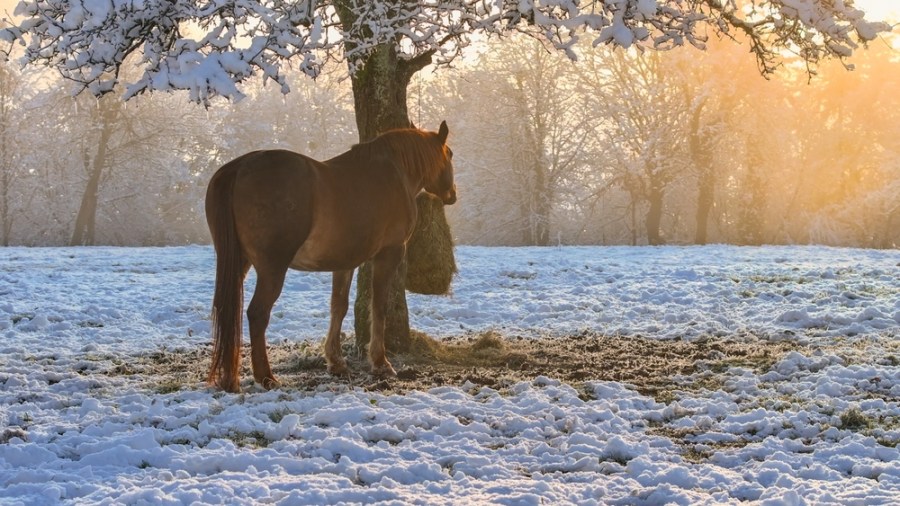
Identity, values and habits
Identity quietly shapes our habits. We do not wake up each day needing motivation for the things that align with who we believe ourselves to be — they simply happen.
How often have we had to explain to non-horsey family and friends that we have to go to the yard every day — yes, even on Christmas Day? It is a non-negotiable part of our identity. And yet, in winter, we often opt out of the best bit: the riding.
Usually this is not because we no longer enjoy riding, but because riding has become loaded with expectation. When time, energy and conditions are limited, anything that feels heavy is the first thing to fall away.
When we approach riding through the lens of identity rather than achievement, the pressure begins to soften. Being an equestrian does not mean riding hard, riding well or riding often, especially in winter.
It just means remembering that you feel your truest self on horseback.
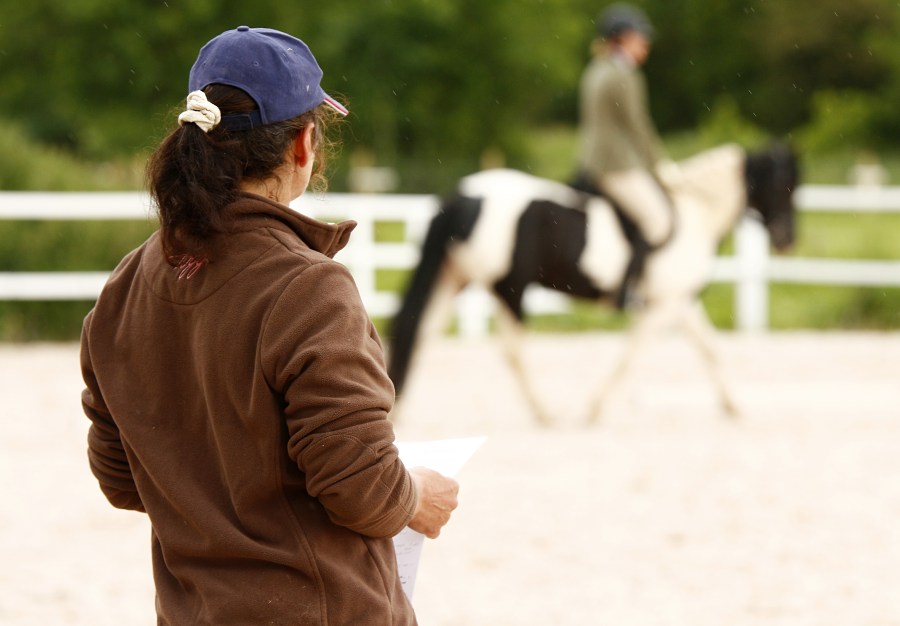
Watch your language
Pressure exists all around us, but it is also shaped by the language we use internally.
A small but powerful shift is replacing “have to” with “get to”. For example: “I get to box my horse up for a lesson with my trainer.”
A reframe does not deny the difficulty of winter, but reminds us why it matters.
Take the ‘thinking’ out of it
Use your knowledge as power. If you know that you can lack motivation, make plans. Sit down on a Sunday evening and plan your week.
Take the “thinking” out of the equation — there is nothing worse than trying to think of what to do while attempting to motivate yourself to tack up in the dark and cold. It is far easier to just tack up when you know you have a plan.
Winter is not a verdict on your commitment, ability or future progress. It is just a season, and it will pass.
Think about where you want to be in the summer and what you can do now to get yourself there. And remember, what would the child you once were think of the opportunities you have now — even if it is cold?
Images © Your Horse Library and Shutterstock