

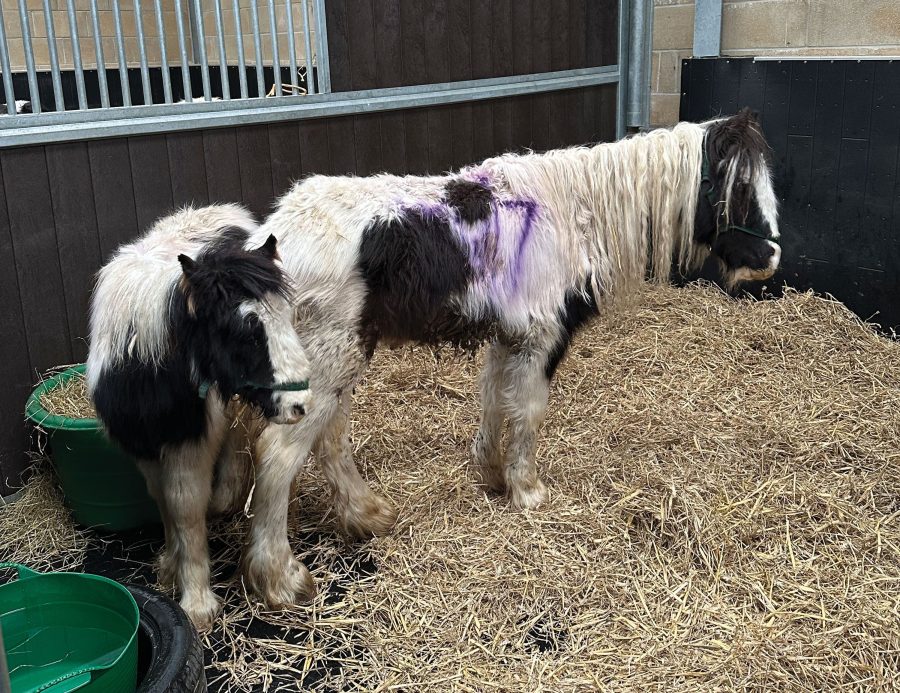
World Horse Welfare has highlighted the plight of four ponies to highlight importance of getting de-worming right for those involved in the care of a horse.
Three cob fillies and a ten-year-old mare were rescued by the charity after being found critically underweight due to significant worm burdens.
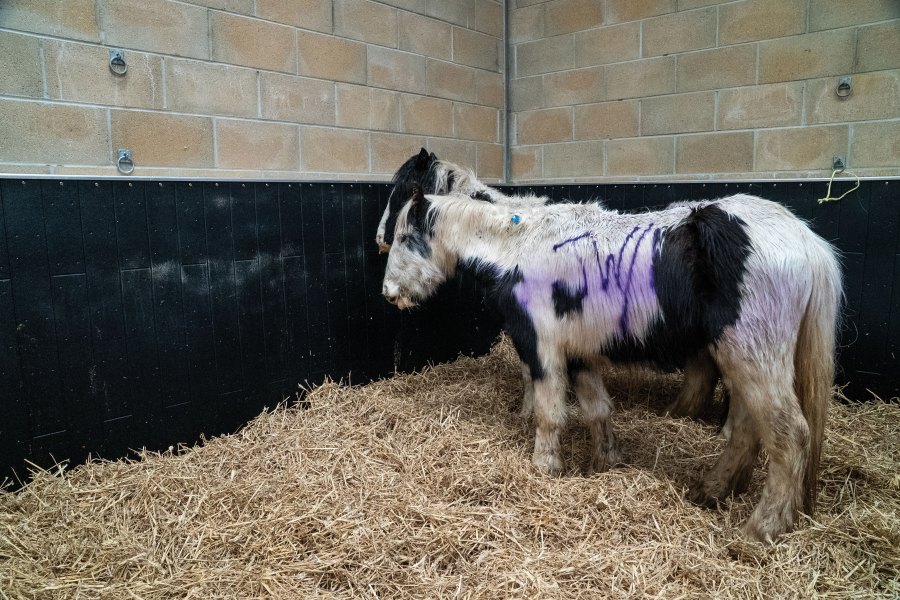
The group are now receiving urgent care at World Horse Welfare’s Hall Farm Rescue and Rehoming Centre, in Norfolk, as the team work closely with vets to get on top of the ponies’ parasite infestations.
The charity is highlighting the importance of testing and treating appropriately for worms – and warning of the danger of encysted redworm.
“As soon as I arrived at the site, I could see that some of the ponies were extremely unwell,” said World Horse Welfare Field Officer Rebecca Carter. “Eleven others were all in normal body condition, but seven who clearly had worm burdens were really underweight despite living in the same conditions.
“One tiny filly, named Tinker Bell, had multiple different kinds of worms just pouring out of her. She was six months old and so underweight that I could lift her alone — something that should never be possible.”
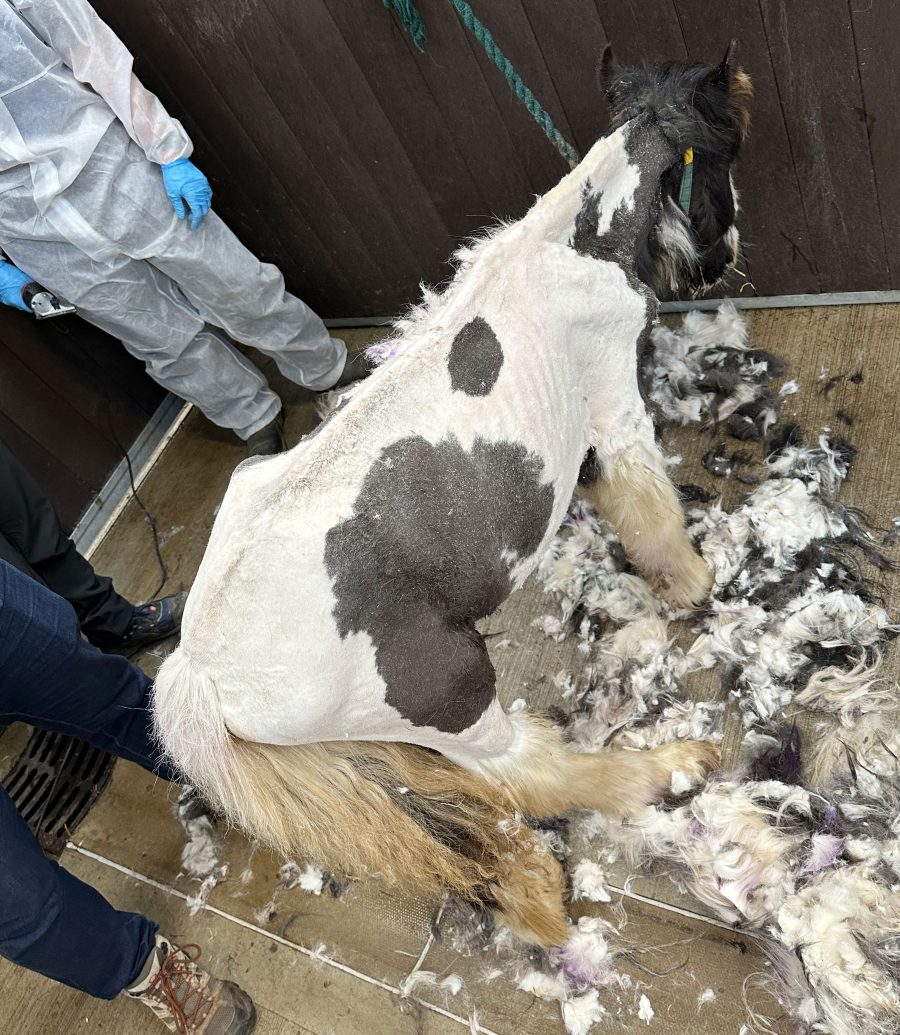
With several of the group in need of urgent veterinary care, Rebecca contacted the RSPCA, police and a vet, who authorised the ponies being taken to safety to start getting treatment.
No owner responded to the abandonment notice, so the ponies were transferred into the ownership of the charities.
“Tragically, the three colts who were removed were so sick that, despite the vets’ best efforts, they had to be put to sleep on welfare grounds,” said Rebecca. “The three fillies and the mare, though very unwell, have made it through the first couple of weeks and were strong enough to travel to our Hall Farm, in Norfolk.
“Unfortunately, in my job as a Field Officer I see cases like this all too often. Faecal egg counts matter when it comes to managing parasitic infections, but they don’t detect all of the parasites that can be most damaging, particularly in vulnerable horses.”
Malcolm Morley, the charity’s Director of UK and a qualified vet explained why these worms can be so problematic.
“Encysted redworm, where small redworm larvae hibernate in the gut wall, won’t show up on faecal egg counts, which can give a false sense of reassurance,” he said. “That’s why owners should seek advice from their vet or a specialist laboratory such as Westgate Labs, which employs suitably qualified staff to help interpret results and guide responsible worming.”
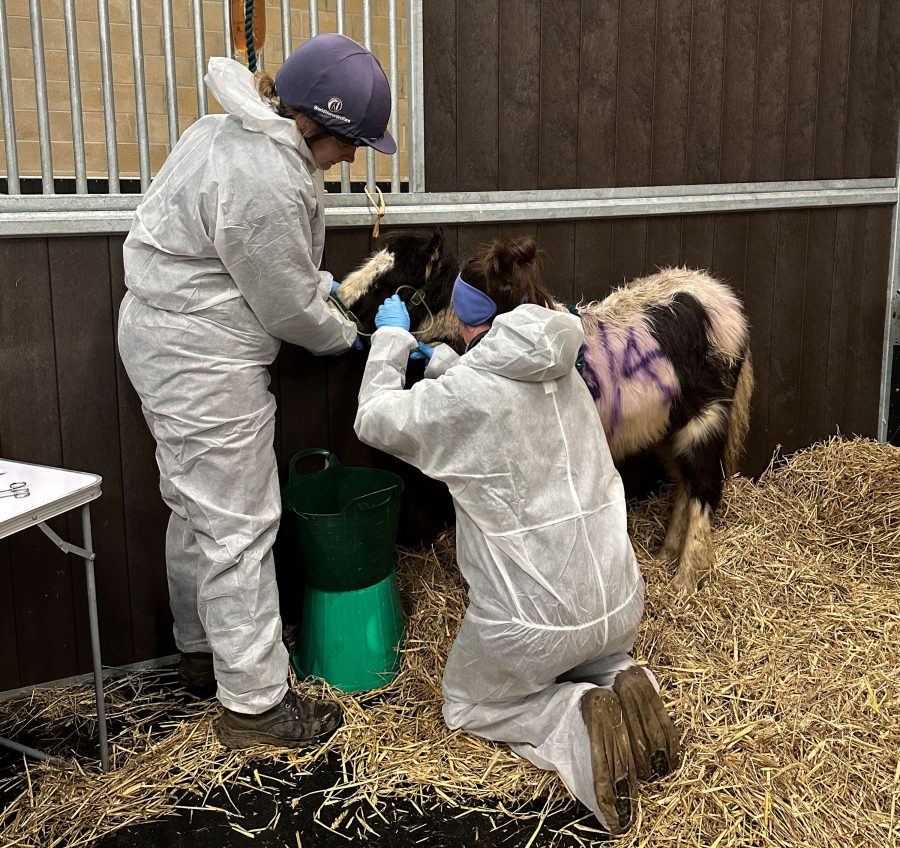
The four ponies were all incredibly weak on arrival at Hall Farm and two needed plasma transfusions.
“Once we’re confident that they’re starting to feel a bit stronger and their blood results show they’re starting to recover, then they can start to have a little bit more time out in the field,” said Hall Farm Centre Manager Sue Hodgkins.
“For Tinker Bell to have come this far, with the blood test results she’s had and the fact that she’s still with us and fighting, gives me a little more confidence. We’re keeping everything crossed that she keeps that fighting spirit and makes a full recovery.”
All of World Horse Welfare’s Field Officers carry faecal egg count kits, provided by Westgate Labs, with them. Several are also Suitably Qualified Persons, meaning that they have the knowledge and qualifications to offer advice on worm control and de-worming products, which are vital tools in many of the cases the charity deals with.
Guidance on worm control, including pasture management, testing, and appropriate de-worming products, is available on World Horse Welfare’s advice pages.
Lead image of Tinker Bell and Tiger Lily on arrival at World Horse Welfare Hall Farm. Credit: World Horse Welfare