
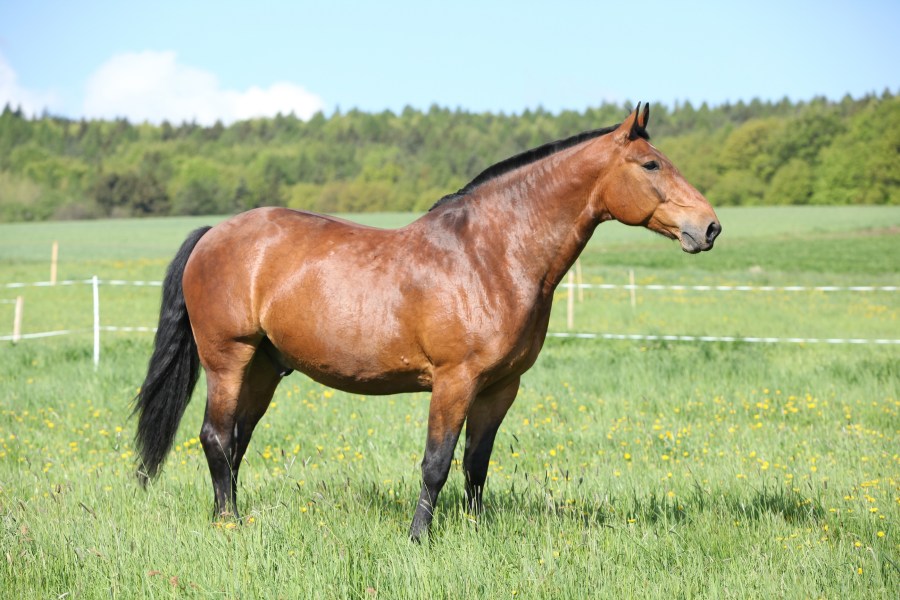
We are in an equine obesity epidemic for our horses, and it is every owner’s responsibility to keep their horse or pony’s weight down. This might mean finding ways to help a horse lose weight, as well as ensuring they get enough exercise to prevent them piling on the pounds.
Equine obesity is a huge welfare concern with many long-term health implications caused by being overweight.
This is some of the ways that a fat horse‘s body is affected by obesity:
Metabolism slows down
Excess fat interferes with the horse’s metabolic system. Lack of exercise causes their metabolic rate to slow down and limits the opportunity to burn off calories.
Fat deposits form
Unless their diet is strictly managed, the horse will start to gain weight in the form of fat deposits.
Fat is stored
Fat is stored in the abdomen, where it can’t be seen, and in more superficial areas such as the crest, rump and flank, where it is easier to spot, providing you don’t mistake it for muscle.
Into the bloodstream
Fat tissue releases substances into the bloodstream that interact with the body’s metabolic system.
Damaging effect
When there is too much fat in the body, these substances are released in large quantities which the horse’s body is not designed to cope with.
The metabolic system becomes overwhelmed and this starts to have a damaging effect on different parts of the horse’s body.
Have you heard about Your Horse’s #FitNotFat campaign? Equine obesity is an enormous welfare problem and we’re on a mission to provide owners and riders with the knowledge, skills and information you need to keep your horse in tip-top health. It could be life saving! Find out more
Main image © Shutterstock