
The UK’s increasingly volatile climate is reshaping forage production, availability and pricing –creating what experts are calling a “perfect storm” for horse owners struggling to secure adequate hay and haylage.
Speaking at the 2026 National Equine Forum (NEF), which took place on 5 March, Dr Katie Williams, technical manager at Dengie Horse Feeds, opened by casting minds back to the extraordinary conditions of 2025, describing them as genuinely “unprecedented”.
While the UK has struggled with wet weather recently, Katie reminded the audience that only months ago it was extreme drought dominating headlines.
Extreme weather, minimal yield
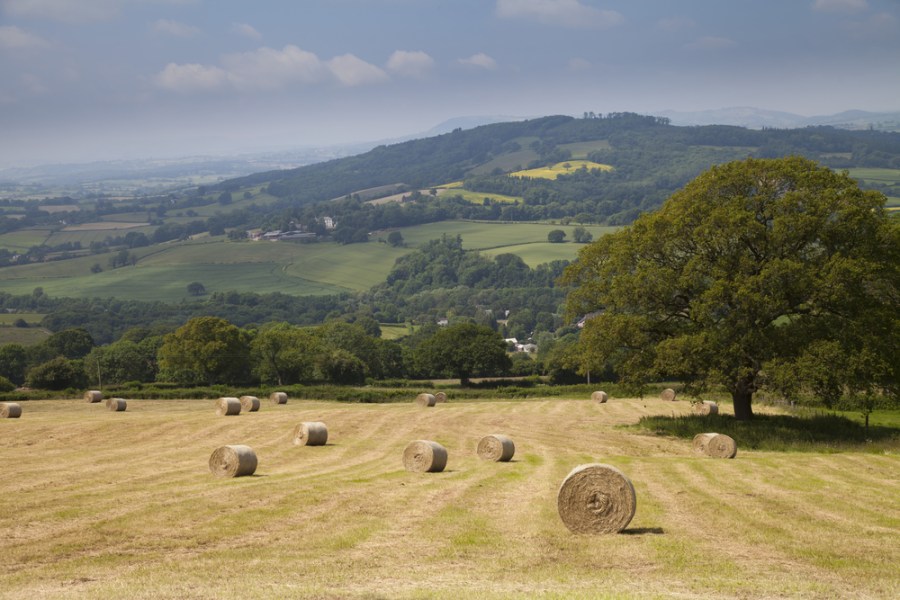
The biggest challenge for forage production in 2025 came from the sequence of dry months during the spring.
“In March, April and May, we were experiencing significantly reduced levels of moisture, rainfall,” explained Katie. “Even February fell below the long-term average, followed by an equally dry August.”
The combination was devastating and Katie explained that with such dry spring conditions, “there was no bulk to the grass.”
“Yields plummeted, meaning that when producers came to harvest, there was not much to go for.”
Meanwhile, autumn pasture failed to grow, leaving owners and farmers forced to dip into winter reserves far earlier than usual.
As winter draws to a close, Katie warned, “people are really starting to struggle, having to pay a huge amount for forage.”
A poll taken during her presentation revealed that 88% of respondents were paying more for forage this year.

Climate change is altering forage nutrition
It’s not just volume that’s changing. Long-term data shows notable shifts in the nutritional makeup of forage linked to hotter, brighter and more extreme weather patterns.
A major European feed company, analysing more than 20,000 samples, reported increasing numbers of forages with “very low protein levels” and rising sugar content.
UK data echoes this trend: “Over time, you can see how the WSC [water soluble carbohydrates in the forage] is actually rising,” said Katie.
She explained the biology: “Lots of light equals lots of photosynthesis.” Under drought stress, plants rush to maturity, becoming “more fibrous, if the nutritional value has declined,” while accumulating sugars they cannot convert into growth.
For horses with metabolic conditions, this is a serious concern.
Owners trying to feed more forage – at exactly the wrong time
Katie noted that even owners of good-doers worry about reducing forage, citing survey findings: “41% of them stated they were worried about not feeding enough forage in the context of gastric ulcers.”
But with forage becoming both scarcer and more sugar-dense, the gap between welfare ideals and practical reality is widening.
Is straw the answer?
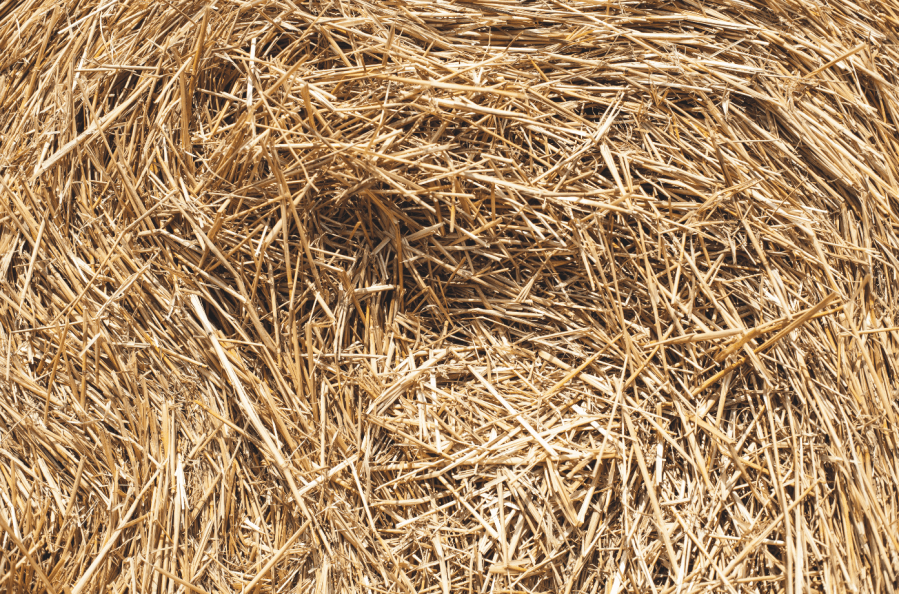
Straw may be an underused solution for overweight horses or those needing lower-calorie fibre.
“It’s naturally much lower in carbohydrates and energy values. It’s relatively affordable and more widely available,” said Katie.
However, owners must remain mindful of potential issues such as weeds, dentition problems and colic history.
Still, Katie urged balance: “We’ve got to look at what is the greatest threat to the horse in welfare. Dismissing straw doesn’t really make any sense.”
Alfalfa and future forages
Even drought‑tolerant crops like alfalfa are feeling the pressure. Data from over 20 years shows a downward trend in yields, with “four occasions when harvest has actually finished in September, with all four of those occurring since 2020,” said Katie. “Normally, harvest runs to October.”
Looking ahead, Katie suggested that “novel crops will be the way we go,” highlighting chia, quinoa and teff – some of which are already grown in the UK. Teff shows promise for good-doers but contains thebaine, a prohibited substance in competition horses, meaning suitability will vary.
Climate shift evident across UK agriculture
Perhaps the most striking illustration of change is not forage at all but viticulture. The number of UK vineyards surpassed 1,000 for the first time in 2025.
“If ever you needed any evidence that climate change was happening, in 2025, the number of vineyards in the UK increased to more than a thousand,” said Katie.
In parts of Essex, this shift is already altering land use.
“We are fighting for agricultural space with solar farms, houses, and now vineyards to contend with, too,” continued Katie.
A time for planning, not panic
While Katie reassured stock levels are currently stable, she urged proactive thinking. Weather extremes are set to continue, and “our overheads are still the same, so costs potentially are going to increase.”
The challenge now, she said, is adapting through innovation, diversification and reconsideration of what forage looks like in the future.