
A series of infectious disease updates, parasite warnings and antimicrobial resistance concerns were voiced at the 2026 National Equine Forum (NEF), which took place on 5 March.
Leading vets urged the industry to “work together” to safeguard horses in an era of rising biological threats.
EHV‑1, flu and West Nile virus: “We must stay alert”
Dr Hattie Bell MRCVS, Veterinary Epidemiologist at Equine Infectious Disease Surveillance at the University of Cambridge, opened the session, beginning with a stark reminder of how quickly infectious diseases can spread. She talked through last year’s EHV‑1 outbreak in Texas, where more than 1,000 horses from multiple states attended a competition before two were hospitalised with neurological EHV‑1.
With horses moving on before showing clinical signs, a nine‑day infectious window gave the virus time to travel.
“Responses had to be really decisive and effective,” said Hattie.
The Texas Animal Health Commission issued an immediate holding order, events were cancelled and more than 2,500 digital traces were carried out to track exposed horses.
Only three fatalities were recorded – something Hattie attributed to decisive action and technology.
“Using digital IDs and tracing was crucial in containing the outbreak,” said Hattie.
Turning to equine flu, Hattie noted a “real spike” in France, with more than 70 cases reported, mostly among trotting horses with mixed vaccination status. One vaccinated horse returning to the UK from France also tested positive.
“It’s a timely reminder that while many governing bodies only require annual vaccination, we still recommend a six‑monthly booster,” she said. “Horses vaccinated within the past six months show less severe disease.”
The final infectious disease warning concerned the growing threat of West Nile virus, which continues to creep north across Europe. Surveillance shows potential mosquito vectors in parts of the UK, including Cambridgeshire, which is home to a wild pony herd that could act as an early sentinel.
“It is really likely that this virus will come,” Hattie warned. “Surveillance and mapping where these mosquitoes can travel will be crucial in containing outbreaks and preparing for future risks.”
Parasite resistance: “We’re entering a post‑resistance era”
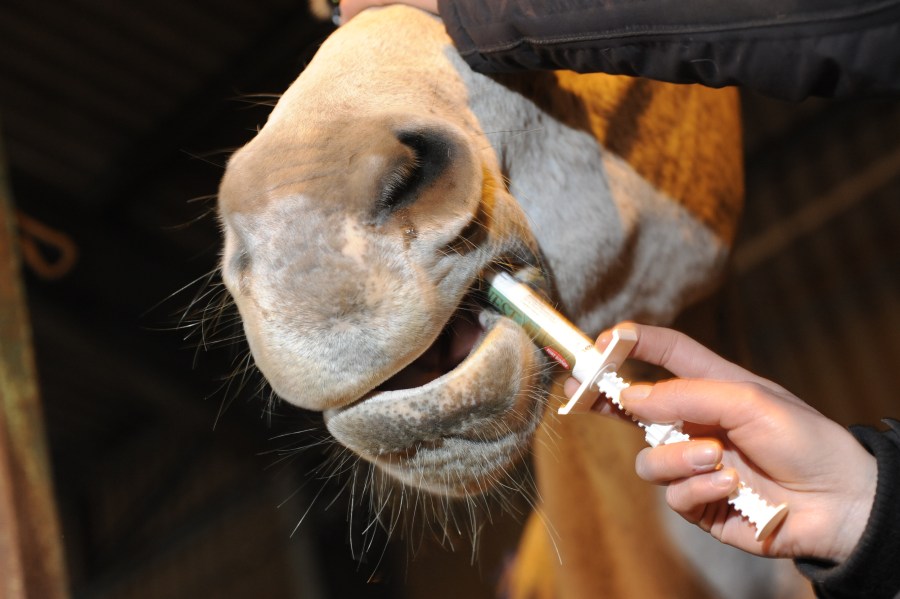
Professor Jane Hodgkinson, a leading equine parasitologist at the University of Liverpool, then turned the focus to anthelmintic resistance, describing dramatic changes in parasite control since she began working in the field in 1999.
Critically, no new classes of wormers have been developed for decades.
“Preserving the efficacy of wormers has been central to our advice for the last 15 years,” said Jane.
Sustainable control, she said, requires combining non‑chemical management such as regular poo-picking – “twice a week can break the cycle” – plus cross‑grazing with sheep and resting pastures, with targeted worming based on faecal egg counts and risk assessment tools, such as the CANTER guidelines.
But despite these efforts, resistance is now widespread.
“We’re hearing more and more examples where people simply cannot control particularly parascaris and cyathostomins, even with repeated treatments,” explained Jane. The UK has already recorded ivermectin resistance, and more cases are expected.
Most worrying, Jane added, is a reluctance among studs to engage with diagnostic testing.
“There’s a concern about being stigmatised for having drug‑resistant parasites,” she said. “But if a horse moves, it takes its parasites with it – and resistant parasites get disseminated into the wider population.”
Faced with rising resistance, Jane believes the industry must prepare for a “post‑resistance era”.
“We don’t have all the solutions yet, but we do have challenges – and we need to work through them together.”
Antimicrobial resistance: “We could return to a pre‑antibiotic world”

Dr Philip Ivens MRCVS, director of Buckingham Equine Vets urged everyone to recognise the seriousness of antimicrobial resistance (AMR).
“Resistance is an inevitable consequence of antibiotic use,” he said. “There is a rapid rise in resistant bacterial populations, and resistance genes move between species. We take antibiotics for granted – but we are standing on the precipice of returning to an era of medicine before antibiotics existed.”
That would make routine procedures – from colic surgery to simple wound infections – potentially fatal.
To combat this “one health” threat, Philip stressed the need for stewardship initiatives including the Protect ME guidelines, the Monitor Me prescribing‑data project, and a major new development; the RAIN‑AMR project, which will soon collate sensitivity data from private equine labs nationwide.
“It’s due to launch in a matter of weeks,” said Philip. “For the first time we’ll be able to see what bacteria are resistant to across the UK – and respond quickly to emerging threats.”
Philip urged owners to support vets by embracing diagnostic testing, improving biosecurity and avoiding antibiotics for viral conditions.
“Together, we can beat this – but we need to work together,” he said.
A call for collaboration
It was concluded that while the challenges are significant, the industry has the tools to act – if it pulls in the same direction.
Vaccination, digital tracing, pasture management, diagnostics and stewardship all emerged as recurring themes. The overarching message was clear – disease threats are increasing, and the equestrian world must evolve with them.