

The horse world has welcomed Natural England’s decision to reopen the complaints process for the control of ragwort.
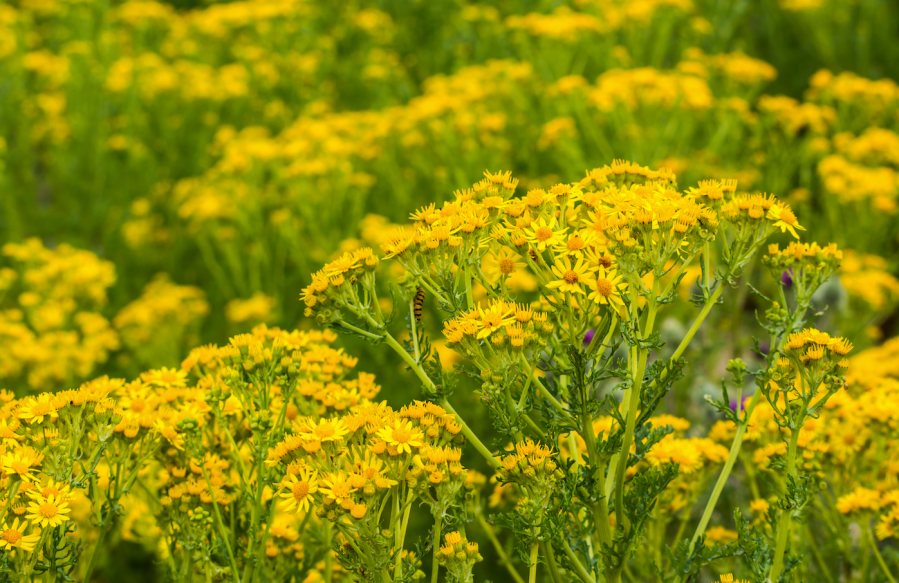
Ragwort (Senecio jacobaea) can be deadly if eaten by horses, cattle and other animals, whether consumed fresh or dried.
Last year, concerns were raised among the equestrian community when the government body said it would no longer investigate reports of the plant.
However, National England recently said it was reversing this decision, and that the complaints procedure would reopen from April 2026.
This means that land owners concerned about the spread of the weed from neighbouring fields will now have the power to enforce action via National England.
Gemma Stanford, Director of Horse Care and Welfare at British Horse Society (BHS), welcomed the news.
“The reopening of the complaints process is a really positive step and will help ensure that concerns about ragwort in high-risk areas can once again be properly investigated,” she told Your Horse
“At BHS, we understand the dangers that ragwort can pose and the worry this can cause to horse owners. Our priority is to educate and support the whole equestrian community, to make sure that they’re aware of these risks and ragwort’s effect on equine welfare.
“Ragwort has a place in the ecosystem in areas away from horses or livestock grazing or land used for forage production, and we believe that the primary focus should be its removal from these high-risk areas.”
The most effective way to protect a horse from ragwort is by keeping their fields and surrounding areas clear of the plant, as it can spread by the wind, explained vet Leona Bramall MRCVS.
“Learning what it looks for in its early stages as well as when it flowers is essential, so that it can be pulled up immediately,” she said.
“It is important to note that all pulled ragwort should be destroyed correctly, ideally by burning, and never left in the field as dead ragwort is more likely to be eaten by horses and is just as big a threat to their health.”
Lead image by Shutterstock