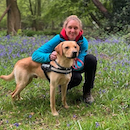

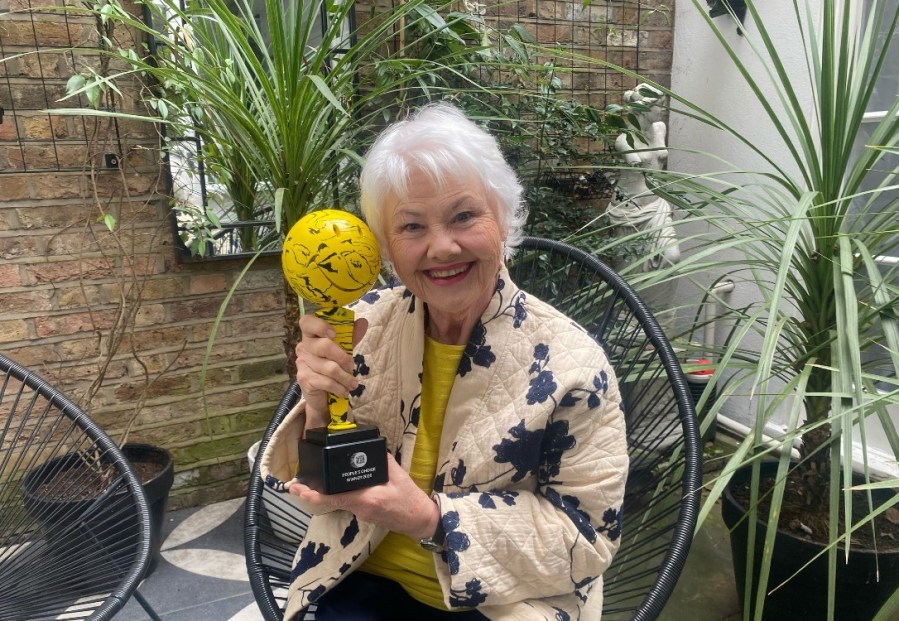
Working animal charity Brooke have revealed that they have appointed actress Annette Badland as a women’s ambassador to help raise awareness on gender equality issues in working animal communities.
Annette, who is best known for her roles in Ted Lasso and Midsomer Murders, will support Brooke’s work and call for recognition and investment for women in the livestock sector through the UN’s International Year of the Woman Farmer in 2026.
“Becoming Brooke’s new women’s ambassador means a great deal to me,” said Annette.
“I’ve always admired the charity’s work with working equines and the women who care for them every day.
“These animals are the backbone of so many communities and the women who look after them deserve real support and recognition.
“I hope being involved in such a vital cause and shining light on these stories will help others to support women-led initiatives and policy around the world.”
Challenging times
It is estimated that there are around 400 million women in developing countries who are livestock keepers but while they care for the animals, they do not have any decision-making power or they face barriers to access animal health systems and services.
Brooke is calling on policymakers to:
- Recognise and value unpaid care and domestic work of women in the livestock sector.
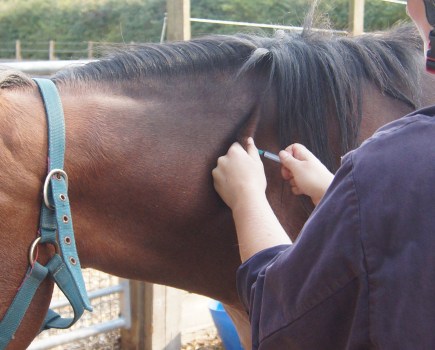
- Improve women’s access to services such as veterinary care for their animals, economic opportunities such as loans, and training in animal husbandry.
- Promote and support women’s access to livestock-related professions, including veterinary medicine and farriery.
- Promote shared decision-making responsibility over livestock management and care within the household and the family.
- Ban the slaughter of donkeys for their skins that disproportionately affects women and girls.
‘Crucial opportunity’
“The UN has declared 2026 the International Year of the Woman Farmer, which is a crucial opportunity to fight for true gender equality within farming communities,” said Anna Marry, Brooke’s global head of policy and advocacy.
“Women carry the bulk of the burden of heavy agricultural work and livestock care, yet this unpaid labour isn’t fully recognised in the household or at the policy level. Women farmers do not have equal access to training, credit and gender responsive veterinary services.
“But when they do, they can transform the welfare of their animals and benefit the whole community.
“Women are at the heart of change – fostering resilience and leadership in communities, caring for working animals and gender equality is essential for thriving communities and animal welfare.”
Image © Brooke.