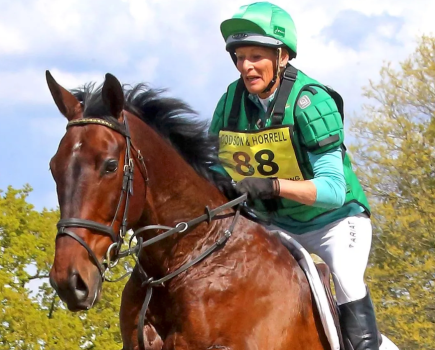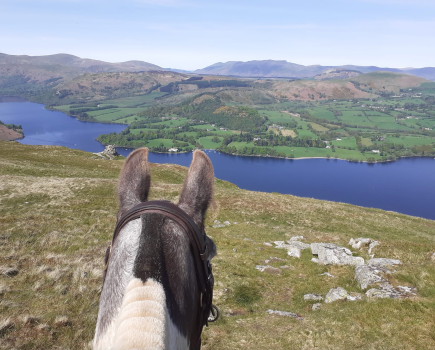

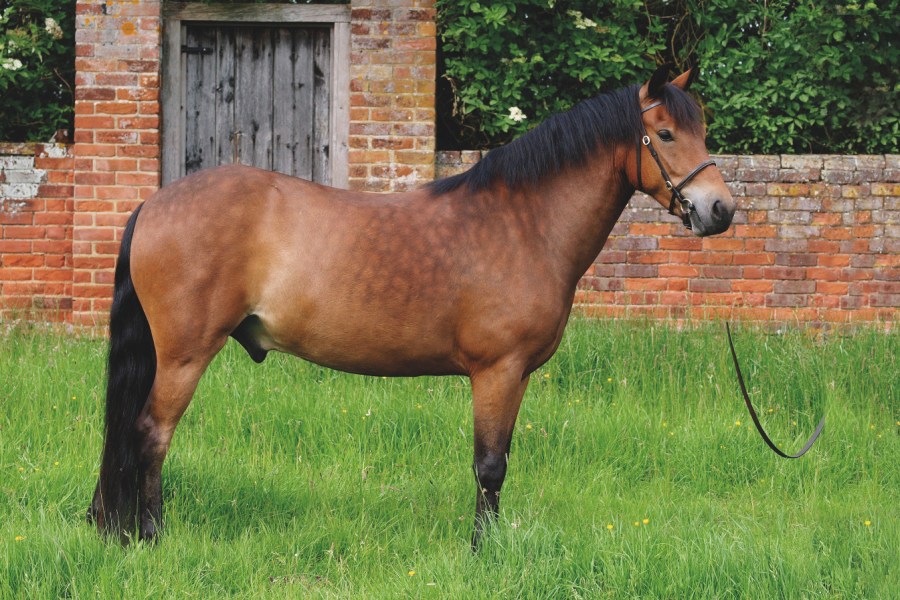
The Rare Breeds Survival Trust’s (RBST) new research has shown positive trends in demand for native breeds of horse and pony, particularly for those with practical uses such as riding, driving, and conservation grazing.
This is among the key findings of two surveys under RBST’s Equine Conservation Project, which aims to identify specific issues affecting native breeds, analyse differing approaches to breeding and reproductive technologies, and ascertain the opportunities for extending the modern uses of native breeds.
The project included analysis of native equine breeding decisions to provide an up‑to‑date picture of breeder behaviour, motivations and challenges across the UK’s native horse and pony sector, informed by a survey of 398 breeders representing the UK’s native breeds.
“The UK has a fantastic array of native horse and pony breeds, each with their own unique traits and heritage,” said RBST Chief Executive Christopher Price. “They all have so much to offer to modern riders and land managers but sadly a number of native equine breeds remain in a precarious position.
“The knowledge gained through this project will help conservation bodies and breeders, working together, to target and hone action that will strengthen the outlook for all our irreplaceable horse and pony breeds.
“The new research findings show a committed, conservation‑minded breeder community that is optimistic about the future and indicates robust market demand. With enhanced support in areas such as AI access, stallion availability, genetics, and promotion, together we can significantly strengthen the long‑term sustainability and visibility of the UK’s native horse breeds.”
RBST’s research found that most breeders work on a small scale, managing between zero and three mares per year, with an average of around 1.5 stallions. It shows that market demand is broadly positive, with 44% reporting expanding demand, while only 16% seeing contraction.
Breeders were motivated by conservation rather than commercial gains, with individuals driven to preserve bloodlines, improve genetic and performance traits, and contribute to breed sustainability. 76% used or would consider using artificial insemination or sexed semen, but barriers include cost, logistics, access, and a preference for natural service among some breeders.
Breeders also consistently highlighted a need for greater promotion and public visibility of native horses beyond the show ring; better stallion access; improved access to AI services and semen; and expanded genetic tools, training, mentoring and guidance for new breeders.
“We are pleased to support RBST’s Equine Conservation Project, which is helping to build a clearer picture of the challenges and opportunities facing the UK’s native horse and pony breeds,” said Rob Bailey of the Horserace Betting Levy Board, who funded the research. “It is encouraging to see that the findings will help strengthen the long-term sustainability of these important breeds.”
RBST’s Equine Conservation Project also included research into equine welfare perceptions, which showed that while commitment to good welfare is strong among owners and professionals, horses across the UK continue to face risks due to knowledge gaps, inconsistent management, and economic pressures.
Native breeds face additional challenges requiring targeted intervention, including a decline in traditional knowledge. The RBST said improving access to reliable, practical welfare information would be essential for raising standards and supporting better outcomes across the sector.
The charity’s recommendations include making clear, accessible welfare education available to owners, focused on feeding, weight management, rugging, turnout practices, and recognising pain behaviours, as well as collaboration between organisations to improve consistency, quality, and reach of guidance.
Lead image by Shutterstock